NC Senate Committee Revives Proposal Requiring Schools to Allow Religious Instruction
State lawmakers strip local control from religious instruction proposal, requiring all districts to allow students to leave campus for faith-based classes during school hours.

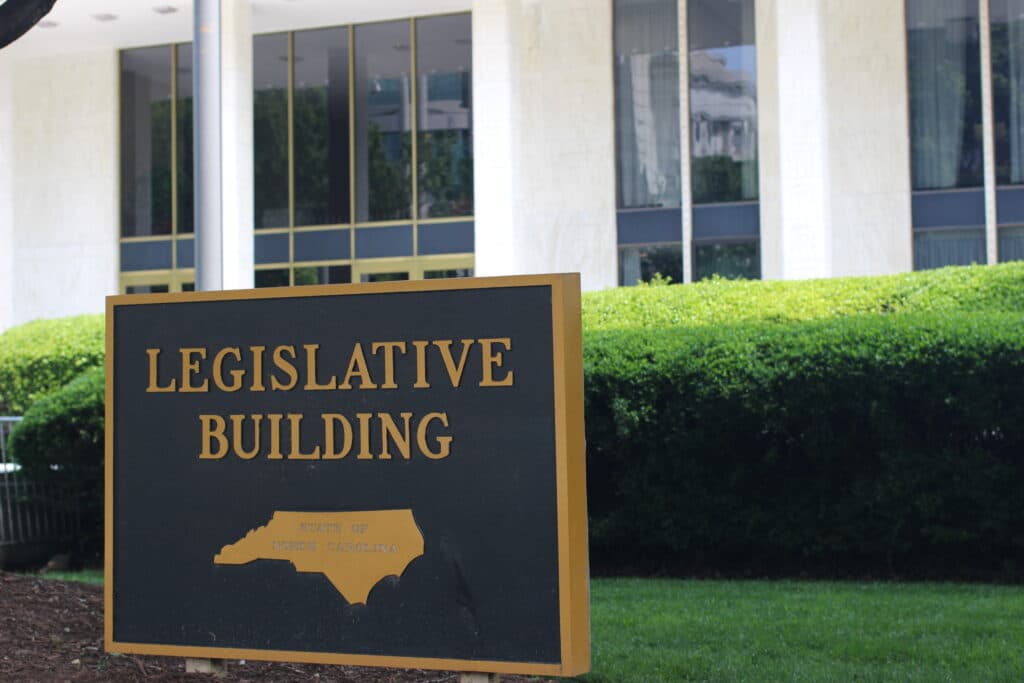
RALEIGH, NORTH CAROLINA — State lawmakers revived legislation Wednesday that would require all North Carolina public school districts to allow students to participate in off-campus religious instruction during the school day, marking a shift from previous proposals that gave local boards discretion over such programs.
Sen. Brad Overcash (R-Gaston) introduced the language as an amendment to Senate Bill 1006, an omnibus K-12 education bill, during the Senate Education committee meeting. The Republican lawmaker, who also serves as co-chair of the committee, successfully attached the provision to the broader education legislation.
Mandatory Implementation Replaces Local Choice
The amendment represents a revival of Senate Bill 92, originally filed in February 2025 as the “Released Time Education Act,” which had remained stalled without a committee hearing for more than a year. However, the new version contains a key change that eliminates local control over the programs.
While the original S92 would have allowed local school boards to decide whether to offer released-time programs, the amendment added to S1006 removes that option entirely. The revised language instead requires public schools to adopt policies allowing students to participate in off-campus religious instruction.
Legal Framework and Program Requirements
Released-time programs allow students to leave campus for private religious instruction during regular school hours. The U.S. Supreme Court upheld the practice in 1952, establishing specific conditions that must be met for the programs to remain constitutional.
The instruction must be held off school grounds, use no public funds, and require parental consent. Schools cannot provide transportation or other support services for the religious education programs.
“It really, really runs the gamut of political persuasions,” Overcash told committee members, noting that similar programs already operate in dozens of states, including New York. “These programs are important to help build the moral and religious character of our students.”
Changes from Original Proposal
The amendment also removes a controversial provision from the original S92 that would have allowed students to earn academic credit for their off-campus religious instruction. That specific component had drawn criticism when the bill was first introduced in 2025.
The measure now moves forward as part of the larger omnibus education bill, which addresses multiple K-12 education issues across the state. Committee members did not indicate when the full Senate might consider the legislation.
North Carolina joins a growing number of states examining released-time religious education policies, as lawmakers seek to balance constitutional requirements with parental rights and religious freedom considerations.