National Weather Service Issues Rip Current Warning for Florida Panhandle
Dangerous rip currents threaten swimmers at Florida Panhandle beaches through Saturday as weather service warns even strong swimmers face serious risk.

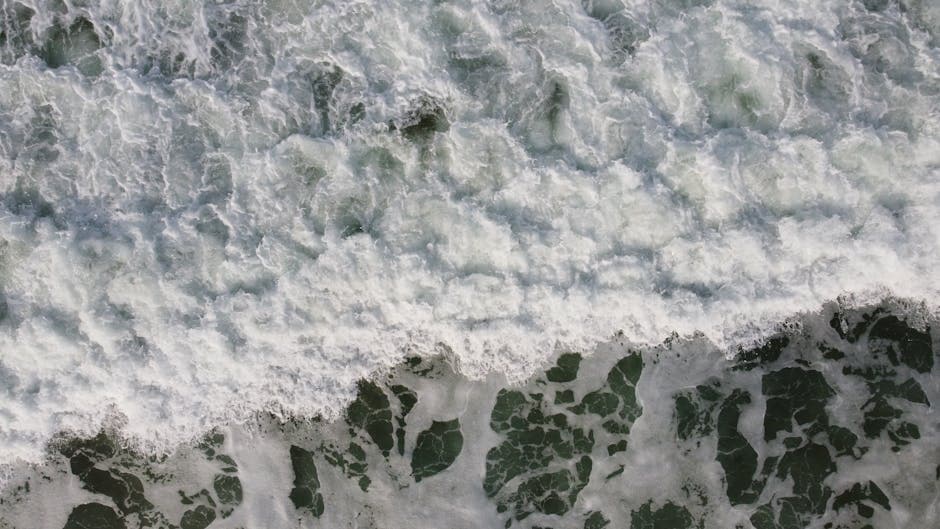
PENSACOLA, FLORIDA — The National Weather Service has issued a rip current statement for three Florida Panhandle counties, warning beachgoers of dangerous swimming conditions through Saturday evening.
The alert, issued Monday at 10:33 p.m., covers Escambia Coastal, Santa Rosa Coastal, and Okaloosa Coastal Counties in Florida, along with Mobile Coastal and Baldwin Coastal Counties in Alabama. The warning remains in effect from 7 a.m. Wednesday through Saturday evening.
Dangerous Swimming Conditions Expected
According to the National Weather Service Mobile office, dangerous rip currents are expected during the warning period. Officials emphasized that rip currents can sweep even the best swimmers away from shore into deeper water.
The weather service’s statement highlighted the serious nature of the threat, noting that experienced swimmers are not immune to the dangers posed by these powerful ocean currents.
Safety Recommendations
Rip currents are channelized currents of water flowing away from shore, typically extending past the surf zone. These currents can move at speeds of up to eight feet per second, making them faster than an Olympic swimmer.
Beach safety officials typically recommend that swimmers caught in rip currents should not attempt to swim directly back to shore against the current. Instead, swimmers should swim parallel to the shore until they escape the current’s pull, then swim at an angle back toward the beach.
Multi-Day Warning Period
The extended warning period indicates sustained weather conditions that promote rip current formation. The alert covers a four-day span, suggesting that meteorological factors contributing to the dangerous surf conditions will persist throughout the week.
Local emergency management officials often use these National Weather Service warnings to coordinate beach safety efforts and inform the public about ocean hazards. The timing coincides with increased beach activity as summer weather draws more visitors to the Gulf Coast.
The National Weather Service Mobile office monitors coastal conditions for the affected Florida and Alabama counties, issuing warnings when surf conditions pose risks to swimmers and beachgoers.