Michigan Democratic Senate Primary Exposes Party Divisions Ahead of August Vote
Three Democrats clash over party direction in heated Senate primary as Michigan becomes crucial battleground for Senate control.

DETROIT, MICHIGAN — With the August 4 primary approaching, three Democratic candidates for Michigan’s open U.S. Senate seat are showing divisions within the party over key policy positions and leadership direction.
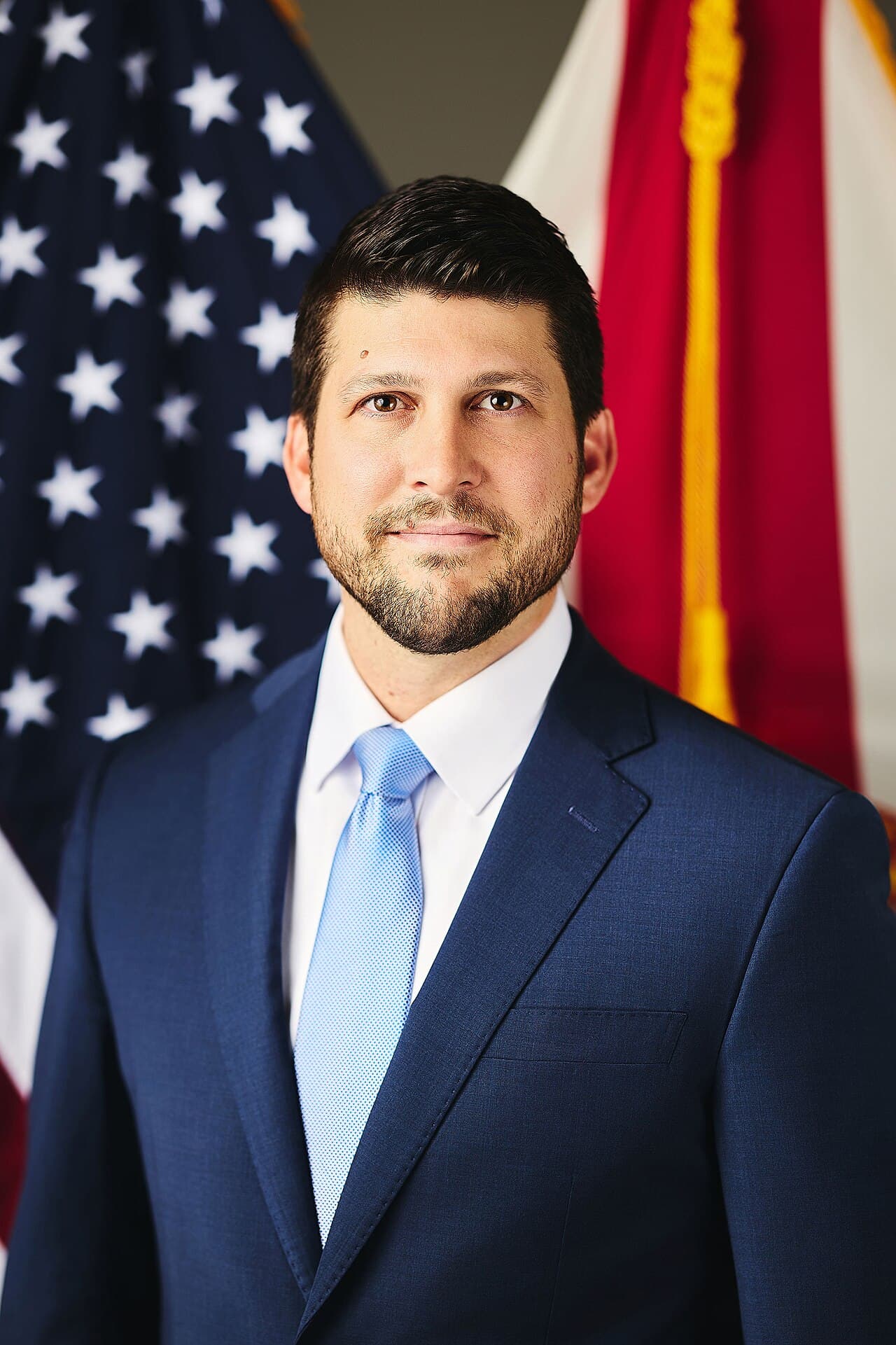
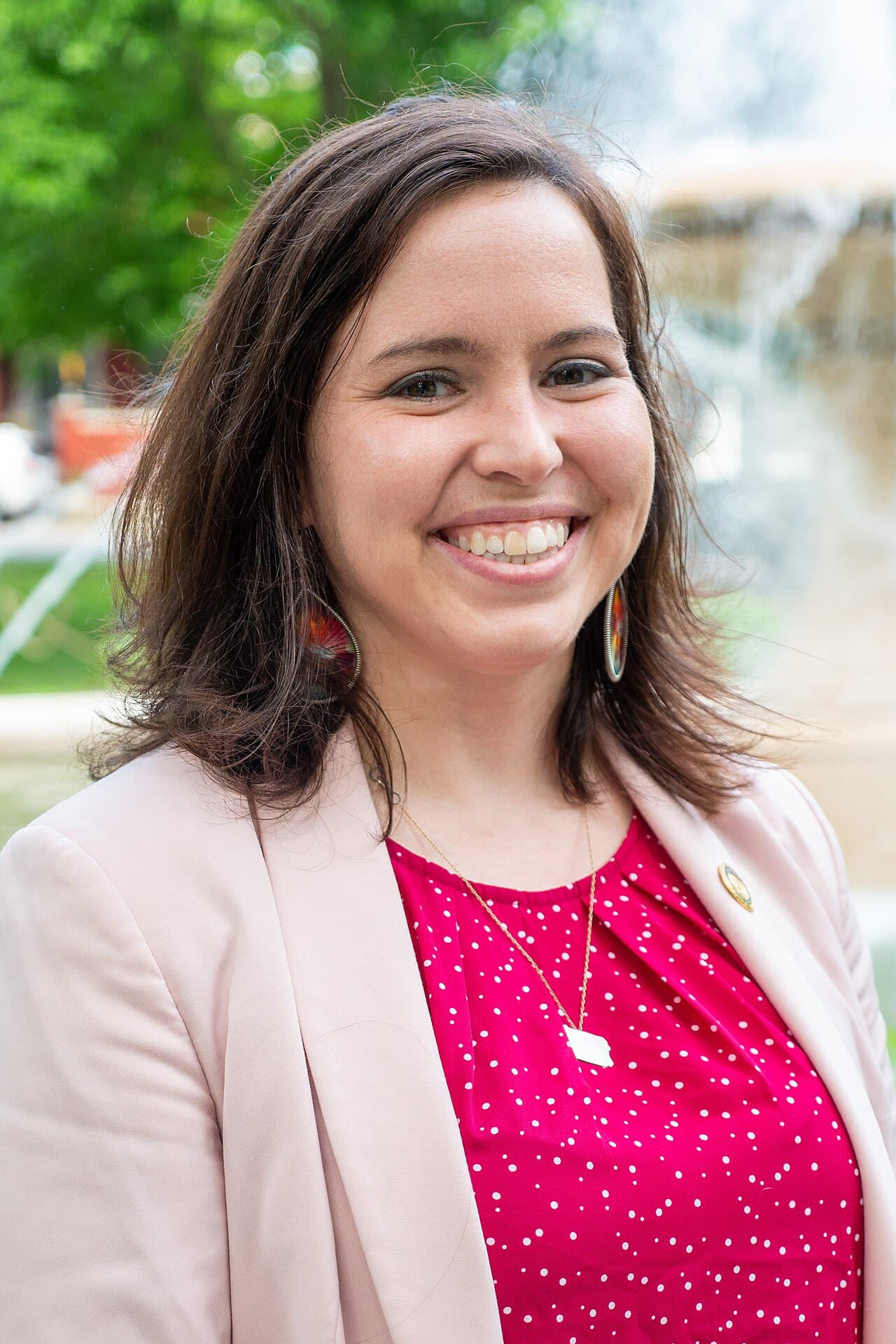
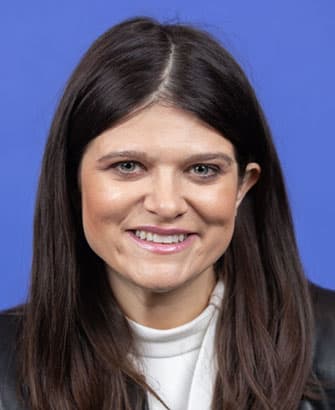
U.S. Rep. Haley Stevens, state Sen. Mallory McMorrow, and former Wayne County Health Director Abdul El-Sayed have clashed during recent debates, highlighting disagreements on foreign policy and party strategy as they compete to face well-funded Republican nominee Mike Rogers in November.
The stakes extend beyond Michigan. Democrats are expected to gain control of the House of Representatives, but the Senate remains uncertain. The party needs to gain four seats while protecting all four Democratic seats up for reelection, including the Michigan seat being vacated by U.S. Sen. Gary Peters.
High Stakes for Democratic Senate Control
“If we lose this seat to Mike Rogers, there is no path for Democrats to flip control of the United States Senate,” McMorrow said. “All control rests on Michigan…all eyes are on us.”
Rogers has already secured $45 million in outside spending, ensuring the Democratic primary winner will face one of the best-funded Republican campaigns in the country. The financial advantage highlights the national importance Republicans are placing on maintaining the seat.
Peters, the two-term incumbent from Bloomfield Township who is not seeking reelection, has declined to endorse a successor. When asked about the values his replacement should embody, Peters emphasized bipartisanship.
Party Direction Under Scrutiny
“A good Democrat—but someone who’s willing to work in a bipartisan way to get things done,” Peters said at the U.S. Capitol on June 2.
The primary contest reflects broader tensions within the Democratic Party about its future direction. David Dulio, a political science professor at Oakland University who attended the candidate debate at the Mackinac Policy Conference last month, characterized the race as crucial for party identity.
“This race is shaping up to be a battle for where the Democratic Party is headed,” Dulio said, noting the candidates’ disagreements over foreign policy and party leadership approaches during their May 28 debate on Mackinac Island.
Campaign Dynamics Intensify
The three-way primary has intensified as candidates work to distinguish themselves. Stevens brings congressional experience, while McMorrow offers state legislative expertise and El-Sayed contributes public health leadership credentials from his role as Wayne County Health Director.
Their policy disagreements emerged prominently during the Mackinac Policy Conference debate, where the candidates sparred over how Democrats should handle international affairs and internal party governance. The differences suggest voters will have clear ideological choices when they head to the polls in August.
With national Democratic leaders watching closely, the Michigan primary outcome could signal which wing of the party gains influence heading into the general election campaign against Rogers and his substantial war chest.