Georgia Special Session Opens With Election System Deadline Looming
Georgia’s special session opened Wednesday with a two-week countdown: lawmakers must resolve a years-long stalemate over the state’s QR code ballot system before a July 1 ban takes effect.

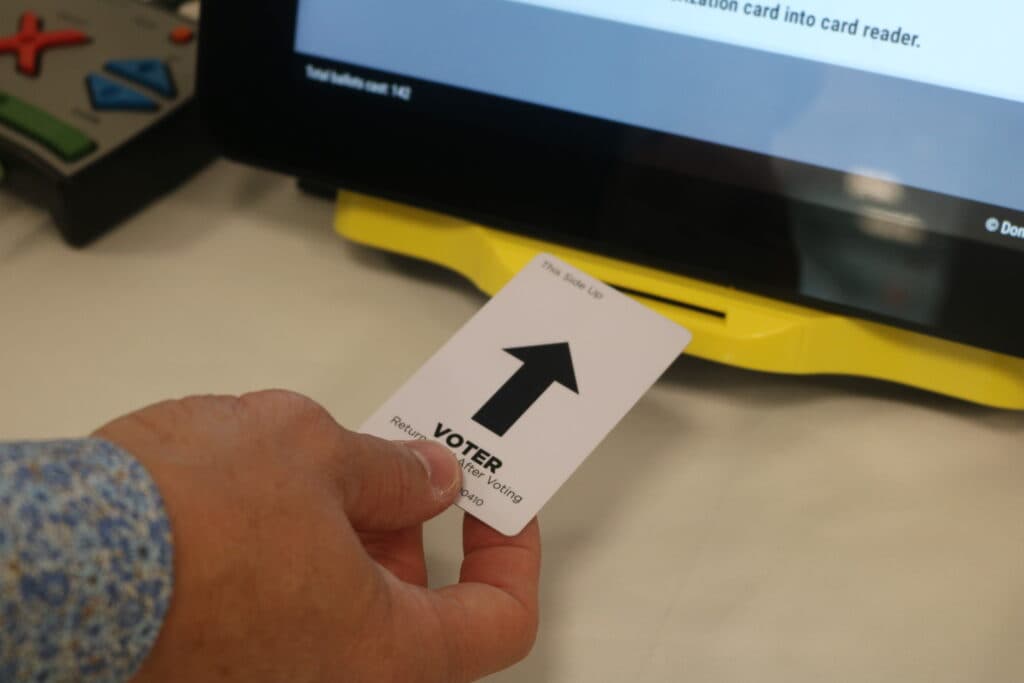
ATLANTA, GEORGIA — Georgia lawmakers convened a special legislative session Wednesday facing a hard deadline: resolve the state’s long-running election equipment standoff before a July 1 law bans the use of QR codes to count ballots.
The session is expected to be dominated by redistricting battles and daily protests, but the election system question is one legislators cannot sidestep. Two consecutive legislative sessions ended without a resolution, leaving the state’s voting infrastructure in legal limbo.
QR Codes at the Center of the Dispute
Georgia’s current ballot-marking devices use QR codes to record and tally votes. Cybersecurity experts and advocates for hand-marked paper ballots have long criticized the system, arguing that vote counts should be based on human-readable text rather than machine-readable codes that voters cannot independently verify.
A 2024 state law prohibits the use of QR codes in tallying election results beginning in July. Secretary of State Brad Raffensperger told lawmakers that replacing the existing equipment would cost approximately $66 million in state funds. Despite that estimate being on the table, neither the 2025 nor the 2026 regular legislative sessions ended with an appropriation to cover the cost.
A Stalemate Stretching Into a Third Session
Lawmakers unveiled an alternate proposal in March that would extend the deadline for new equipment until 2028, giving the state more time to fund and implement a replacement system. The measure passed the House on the final day of the 2026 legislative session but never came up for a vote in the Senate, leaving the dispute unresolved heading into the special session.
The July 1 deadline was a central factor in opening the door to calling a special session, according to the Georgia Recorder. With that date now less than two weeks away, legislators must either fund the $66 million equipment replacement, extend the deadline, or find another path forward before the current system is rendered illegal under state law.
Redistricting Expected to Overshadow Election Equipment Fight
Partisan disagreements over redistricting are forecast to generate the most political heat during the special session, with daily protests anticipated at the Capitol. Still, the election equipment issue carries its own urgency given the statutory deadline.
Georgia lawmakers have not publicly agreed on a unified approach to the equipment question as of the session’s opening day. The competing pressures of cost, legal compliance, and election security concerns have kept a resolution out of reach across multiple legislative cycles, and it remains unclear which path the General Assembly will take before the July 1 cutoff.