Senate Unanimously Bans Prediction Market Trading for Senators and Staff
The U.S. Senate unanimously banned senators and staff from trading on prediction markets in a resolution that takes effect immediately.

WASHINGTON, D.C. — The U.S. Senate unanimously approved a resolution Thursday prohibiting senators and their staff from trading on prediction markets, implementing an immediate ban on a practice that has faced increasing scrutiny on Capitol Hill in recent months.
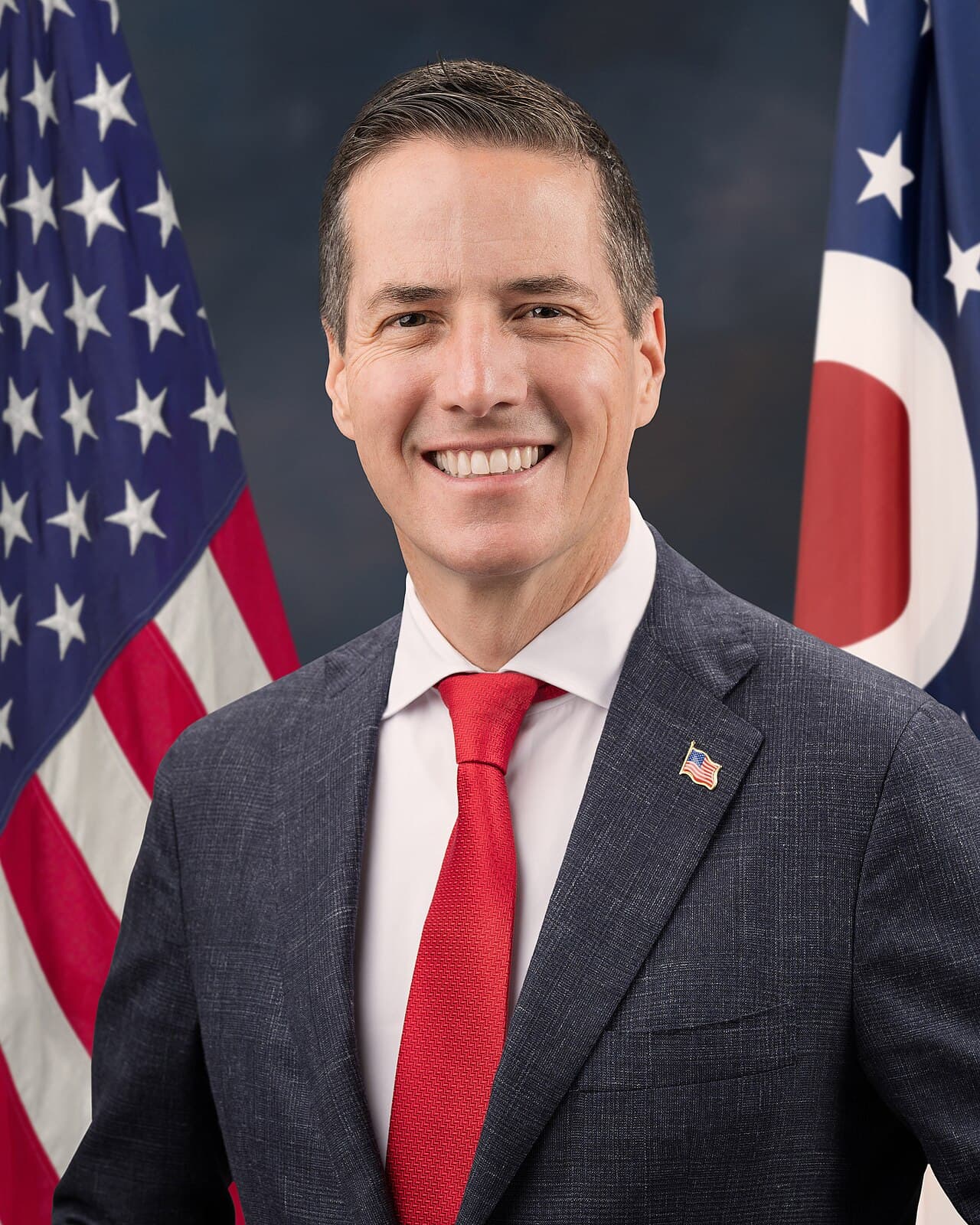
The resolution was spearheaded by Senator Bernie Moreno, a Republican from Ohio, and takes effect immediately following the unanimous vote. The measure addresses ethical concerns surrounding lawmakers’ financial activities.
Growing Concerns Over Prediction Markets
Prediction markets allow users to bet on the outcomes of political events, elections, and policy decisions. The practice has drawn criticism from ethics experts who argue that lawmakers could potentially profit from insider knowledge or influence outcomes through their official positions.
The Senate’s action reflects mounting pressure to address potential conflicts of interest in financial trading by elected officials and their staff members. The unanimous nature of the vote demonstrates bipartisan consensus on the need for such restrictions.
Immediate Implementation
Unlike many legislative measures that include phase-in periods, the Senate resolution went into effect immediately upon passage. This swift implementation underscores the chamber’s commitment to addressing the ethical concerns without delay.
The resolution specifically targets both senators and their staff members, ensuring comprehensive coverage of Senate personnel who might have access to sensitive information that could provide advantages in prediction market trading.
Broader Ethics Discussions
The prediction market ban comes amid ongoing discussions about financial ethics and transparency requirements for federal lawmakers. Congress has faced increased public scrutiny regarding members’ trading activities and potential conflicts of interest.
Senator Moreno’s leadership on this issue highlights Ohio’s role in pushing for stricter ethical standards in the Senate. The resolution adds to existing restrictions on various forms of financial activities by senators and their staff.
The measure represents one of the most recent efforts by Congress to address public concerns about the intersection of public service and personal financial gain, particularly in areas where lawmakers might have access to information not available to the general public.