North Carolina Primary Data Reveals Sharp Voter Turnout Disparities Across Counties
March primary data shows vast turnout gaps between demographics, with sheriff races driving participation in some counties while two-thirds of Republicans abandoned Sen. Berger.

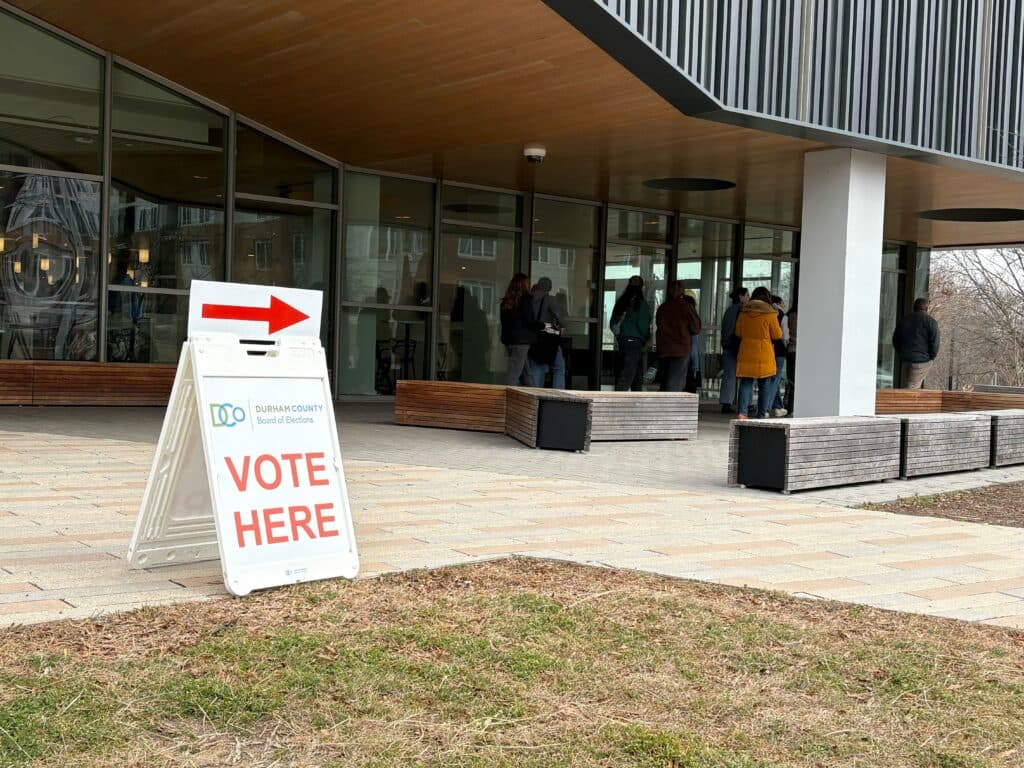
RALEIGH, NORTH CAROLINA — New data from North Carolina’s March 2026 primary election reveals disparities in voter participation across demographic groups and counties, with overall turnout remaining lower than general election participation.
Statewide, fewer than one out of four registered voters cast a ballot in the March 2026 primary, compared to nearly three out of four in the November 2024 presidential election, according to analysis from NC Newsline.
County Contests Drive Higher Turnout
Three of the four counties with the highest turnout of registered voters featured hotly contested Republican primary races for sheriff, with Unaffiliated voters casting Republican ballots proving decisive in determining winners. Mitchell, Hyde, Beaufort, and Graham counties recorded the highest overall turnout rates and were also among the top counties for white voter participation.
The competitive sheriff’s races had significant political consequences. In Beaufort and Hyde counties, relatively high participation from white women and Unaffiliated voters contributed to Rep. Keith Kidwell’s defeat in his primary contest.
Demographic Patterns Emerge
The primary data shows Democrats outperformed Republicans in turnout statewide, while Black and white voters participated at approximately equal rates. Ballot casting by Hispanic and Asian American voters doubled over the four-year period since the last comparable primary.
Age disparities proved particularly pronounced, with seniors achieving 35% turnout compared to just 7% among young voters. This five-to-one gap significantly exceeds the generational participation differences typically seen in general elections.
Republican Primary Losses Signal Broader Issues
Even in expensive primary contests, voter engagement remained limited. In the Republican primary between Sen. Phil Berger and Sam Page in Rockingham County, only one-third of registered Republicans cast ballots despite significant campaign spending.
The low turnout had electoral consequences for established politicians. Two-thirds of Republicans in Sen. Berger’s own county declined to participate, contributing to what analysts describe as abandonment by his traditional base rather than defeat through outside spending or cross-party interference.
Northampton and Bertie counties recorded the highest Black voter turnout rates, which also placed them among the counties with strongest Democratic primary participation. These patterns highlight how demographic composition and competitive races can drive localized turnout surges even within an overall low-participation election.
The turnout analysis underscores the influence that engaged primary voters wield in selecting candidates who advance to November general elections, when participation rates typically increase dramatically across all demographic groups.