NC Republicans Push Study on Shifting School Funding Control to New Agency
Republican lawmakers want to study moving billions in school funding from Democratic-led education department to GOP-appointed agency that handles vouchers.

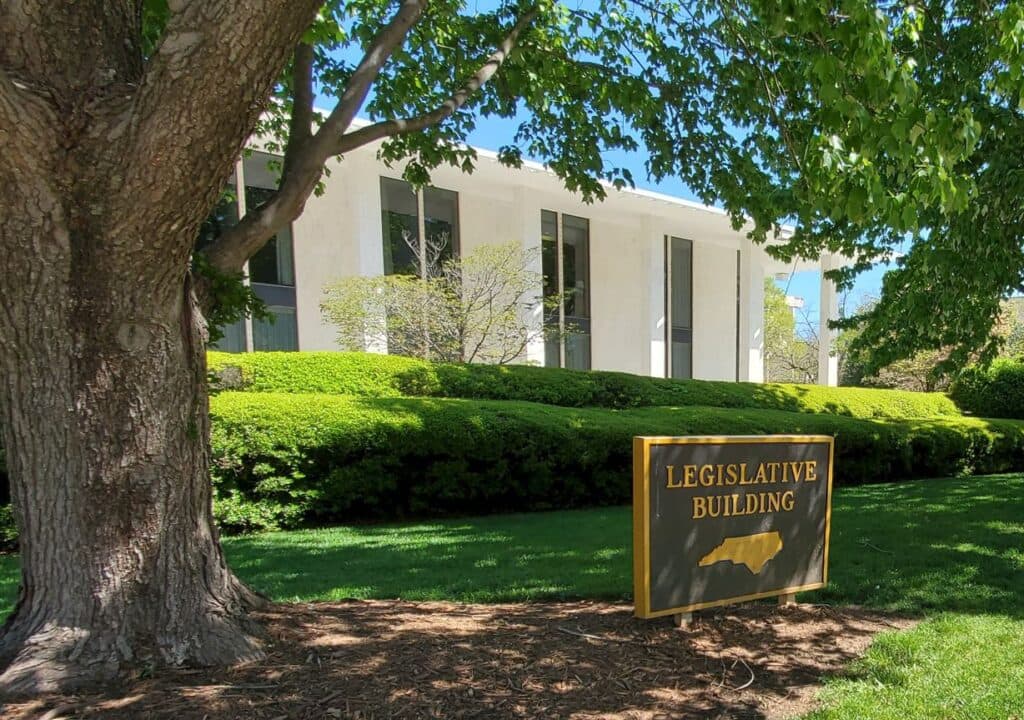
RALEIGH, NORTH CAROLINA — Republican lawmakers advanced legislation Wednesday to create a study group examining whether North Carolina should transfer billions of dollars in K-12 education funding from the state’s Department of Public Instruction to another agency that manages private school vouchers.
Senate Bill 990 cleared the Senate Education/Higher Education Committee despite Democratic concerns about the constitutional authority and qualifications of the proposed transfer. The bill would establish a work group to study moving public school funding responsibilities from DPI to the State Education Assistance Authority.
The proposal carries significant political implications due to the leadership of the two agencies involved. DPI is headed by Democratic Superintendent Mo Green, while SEAA is governed by a board largely appointed by the Republican-led legislature.
Democrats Question Agency Qualifications
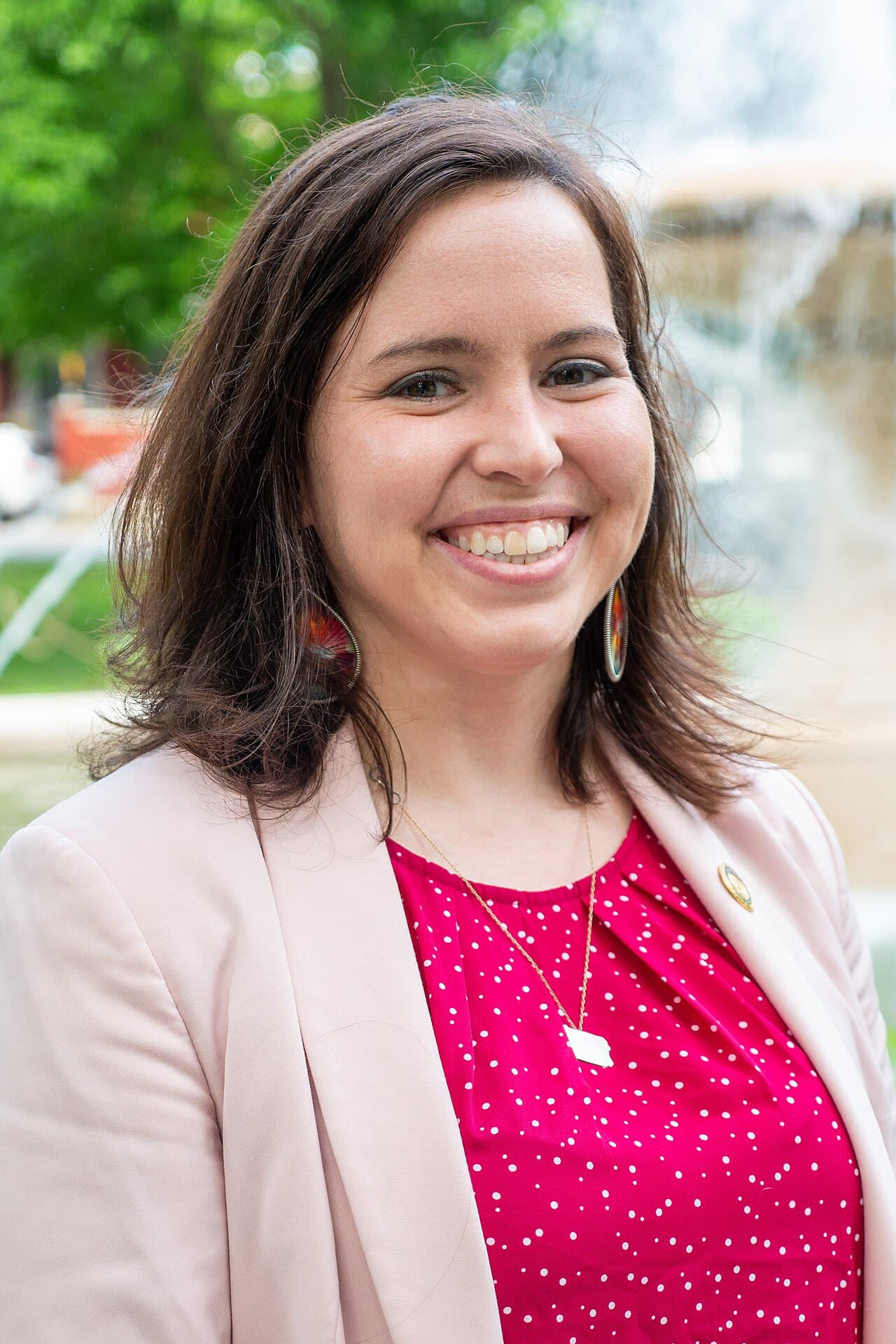
Sen. Sophia Chitlik (D-Durham) challenged the rationale behind the potential shift, noting SEAA’s limited experience with public K-12 education funds. “Can you help me understand why that entity is best qualified to do this work?” she asked during committee deliberations.
Chitlik also raised constitutional concerns about the proposal, pointing to state constitutional language requiring the State Board of Education to “supervise and administer” the public school system. “Why would we even explore something that might not even be constitutional?” she questioned.
Republicans Defend Efficiency Claims
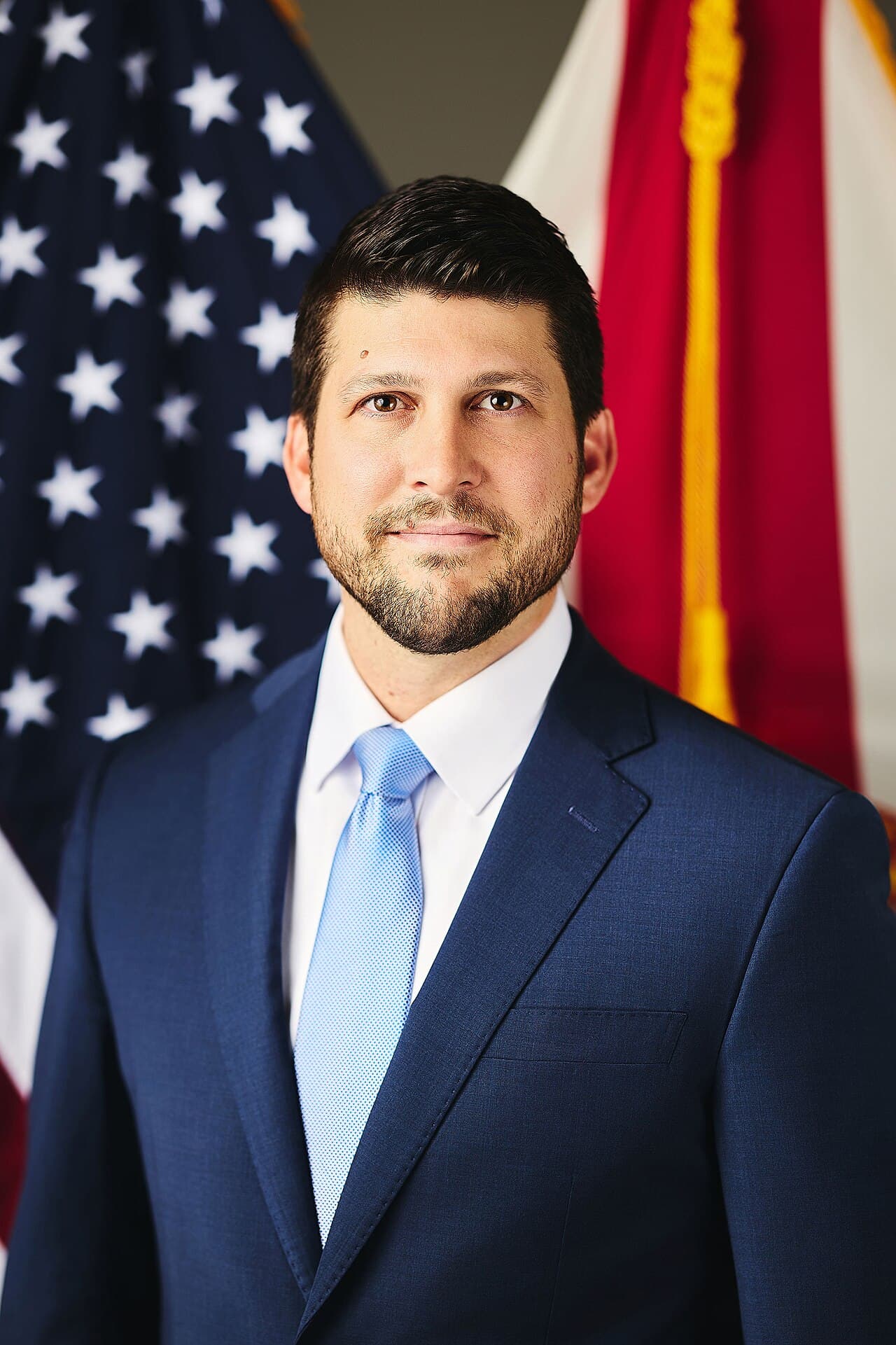
Sen. Mike Lee (R-New Hanover), one of the bill’s sponsors, defended the proposal by characterizing SEAA as a more efficient “fund distribution entity” that already manages scholarship programs. He criticized the current system at DPI as “incredibly complicated” and suggested the transfer could reduce costs.
“They don’t decide policy. They’re strictly a fund distribution entity,” Lee said of SEAA. “If SEAA can do this more efficiently, why wouldn’t we have them distribute the funds just like they do opportunity scholarships?”
Legal Questions Remain
Legislative staff attorney Drupti Chauhan addressed the constitutional concerns by emphasizing that the legislation only establishes a study group without immediately transferring authority from DPI or the State Board of Education.
“Acts of the General Assembly are not inherently considered unconstitutional until a court opines that they’re unconstitutional,” Chauhan told committee members.
The bill represents the latest development in ongoing debates over North Carolina’s education funding structure and governance. SEAA currently oversees private school voucher programs and financial aid distribution, while DPI manages the allocation of public education dollars across the state’s school districts.
The study group would examine whether restructuring the funding distribution system could improve efficiency and reduce administrative costs. However, Democrats argue the proposal appears motivated more by political control than educational improvement.
The legislation now moves to the full Senate for consideration. If approved, the study group would be tasked with evaluating the feasibility and potential benefits of transferring public school funding responsibilities between state agencies.