NC Lawmakers Propose $10 ‘Pole Tax’ to Fund Sexual Assault Services
Bipartisan legislation would charge strip clubs $10 entry fee to fund rape crisis centers facing critical budget shortfalls.

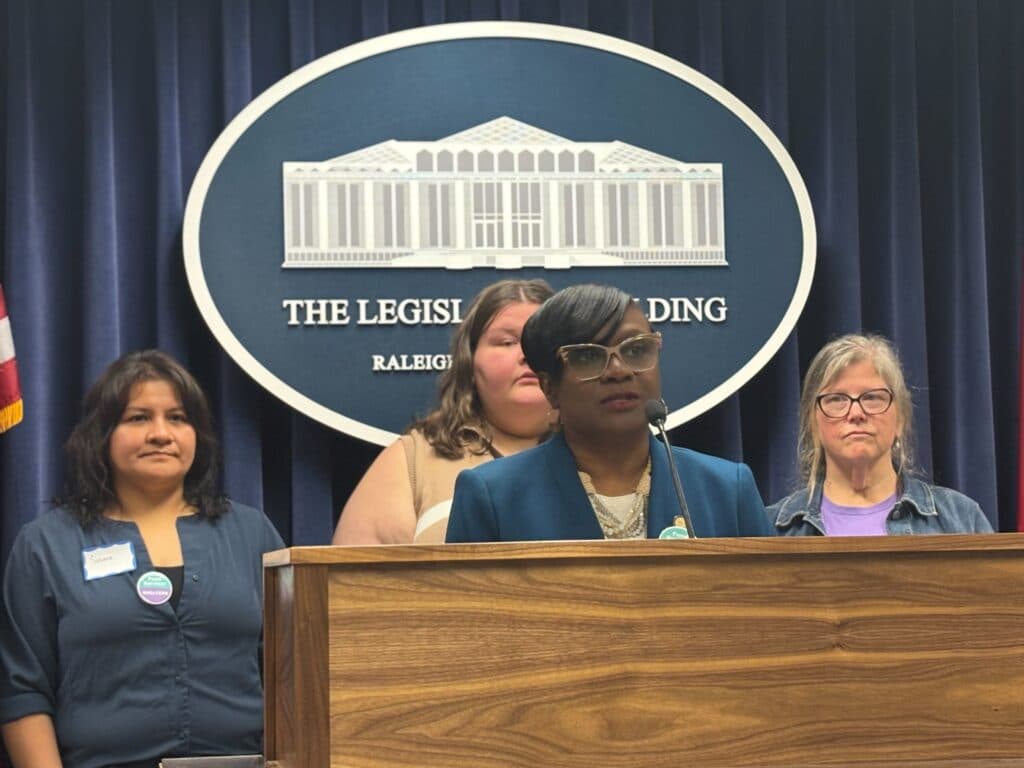
RALEIGH, NORTH CAROLINA — North Carolina legislators unveiled a bipartisan proposal Tuesday to impose a $10 entry fee on strip clubs and similar establishments, with proceeds directed toward the state’s underfunded Sexual Assault and Rape Crisis Center Fund.
House Bill 1121, dubbed “Added Fee for Sexually Oriented Businesses,” targets nightclubs and bars that offer live nude entertainment while serving alcoholic beverages. The legislation, sometimes referred to as a “pole tax,” is modeled after a Texas law first enacted in 2007.
“What that bill will do is levy a fee upon adult venue businesses where alcohol is served, to be charged per entry,” said Rep. Dennis Riddell (R-Alamance) at a press conference Tuesday. “That money would be used only for domestic violence systems and groups around the state.”
Addressing Funding Shortfall
The proposed fee would generate revenue for the Sexual Assault and Rape Crisis Center Fund, administered by the North Carolina Council for Women. The fund is currently running out of money, creating challenges for service providers across the state.
Rep. Monika Johnson-Hostler (D-Wake) highlighted the pressing need for additional resources, noting that rape crisis centers face a backlog for survivors seeking one-on-one personal counseling and therapy. Federal funding for rape crisis centers and domestic violence shelters has decreased in recent years without corresponding state-level replacement funding.
“Every day, programs across our state answer hotline calls, provide emergency shelter, offer legal advocacy and help survivors rebuild their lives,” said Carianne Fisher, executive director of the North Carolina Coalition Against Domestic Violence. “But too often, these programs are forced to do this life-saving work with limited and uncertain resources.”
Growing Demand for Services
Johnson-Hostler described multiple factors contributing to the funding crisis. Demand for services has increased while programs simultaneously experience rising workforce burnout and turnover among advocates.
Worsening housing instability is also making it more difficult for survivors to leave unsafe situations, according to Johnson-Hostler. The combination of these factors has strained the existing support system for domestic violence and sexual assault survivors.
House Bill 1121 would provide what supporters describe as a relatively steady stream of state revenue for these services. The bipartisan nature of the legislation suggests potential for advancement through the state legislature.
The Texas model that inspired the North Carolina proposal has operated for nearly two decades, providing lawmakers with data on the effectiveness of this funding mechanism. Supporters argue the fee structure creates a sustainable revenue source specifically dedicated to supporting survivors of sexual violence and domestic abuse.