NC House Bill Would Require Breathalyzer Locks for All DWI Offenders
House Bill 1199 would expand breathalyzer requirements to include first-time DWI offenders, not just repeat violators and highly intoxicated drivers.

RALEIGH, NORTH CAROLINA — North Carolina House lawmakers are advancing legislation that would require all drivers convicted of driving while impaired to install breathalyzer ignition locks on their vehicles, expanding beyond the current requirement that applies only to repeat offenders and highly intoxicated drivers.
House Bill 1199, known as the SEATBELT Act, would mandate ignition interlock devices for anyone convicted of DWI, including first-time offenders. The devices require drivers to provide a breath sample before starting their vehicle to measure blood alcohol content.
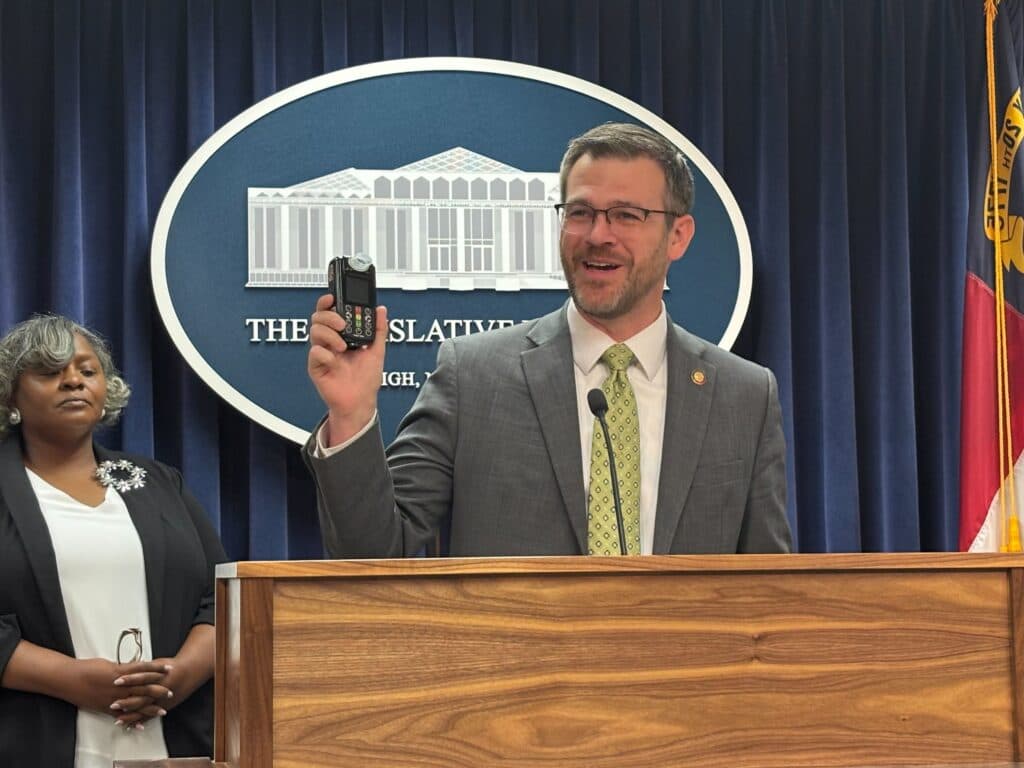
“This bill is about trying to do something that actually works,” said Rep. Mike Schietzelt (R-Wake), the bill’s sponsor, during a press conference Wednesday. “Rather than throw somebody in jail, rather than suspend somebody’s license — which is a mechanism that has shown it does not stop people from driving — we have the technology now to tailor it to the offense, to change the behaviors, and to make North Carolina’s streets safer.”
Device Requirements and Early Driving Privileges
Under the proposed legislation, anyone convicted of driving while impaired would be required to install ignition interlock devices on any vehicles they own or operate for one year. The bill would also allow offenders to regain limited driving privileges early under certain conditions if they install a breathalyzer.
According to the Centers for Disease Control and Prevention, the devices reduce repeat offenses by roughly 70 percent. Schietzelt cited national data showing the devices have prevented more than 3 million attempts to drive drunk across the United States over a 12-year period.
Cost and Financial Assistance
The devices cost around $3 per day, with installation fees ranging between $100 and $150, according to Schietzelt. Drivers who cannot afford the device can apply for a fee waiver if they earn below 150 percent of the federal poverty line or receive public assistance funds.
“The economic benefits far outweigh that,” Schietzelt said. “If you have one of these installed in your car, rather than having a suspended license and no way to get to work, you can at least continue to work.”
Current Law vs. Proposed Changes
North Carolina’s current law requires ignition interlock devices only for repeat DWI offenders and drivers who were highly intoxicated at the time of their arrest. The proposed legislation would significantly expand this requirement to include all DWI convictions.
The ignition interlock system works by preventing vehicle ignition until the driver provides a breath sample that shows they are not impaired. The technology represents what supporters call a more targeted approach to preventing impaired driving compared to traditional penalties like license suspension or incarceration.