Michigan Urged to Respond to Supreme Court Weakening of Voting Rights Protections
Civil rights groups warn Michigan cannot ignore Supreme Court decision that weakened voting rights protections as Southern states move to eliminate Black-majority districts.

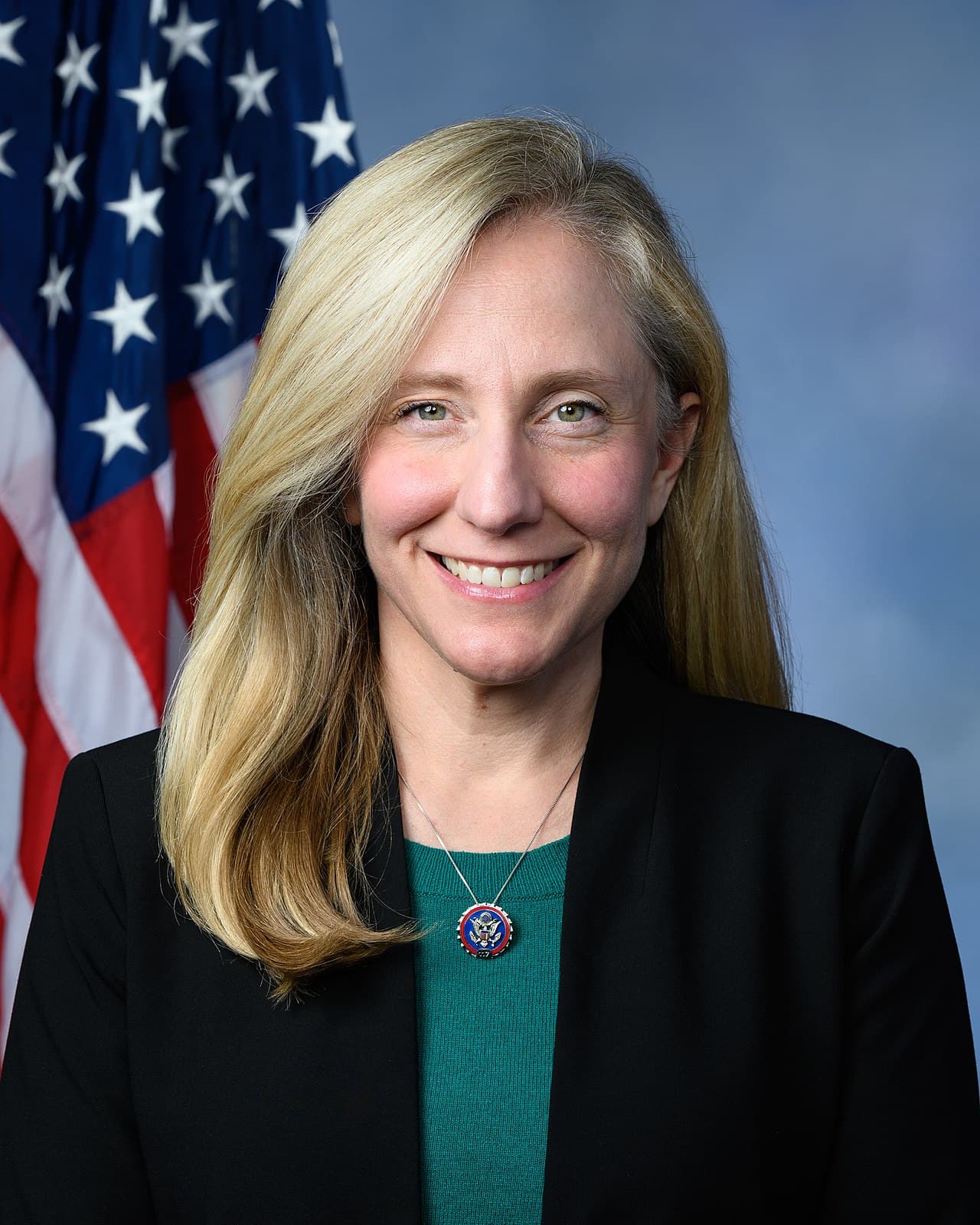
LANSING, MICHIGAN — Civil rights advocates are urging Michigan leaders to address the impact of a recent U.S. Supreme Court decision that weakened voting rights protections for communities of color, warning of a national threat to Black political representation.
In late April, the Supreme Court made it more difficult for communities to bring voter discrimination claims against electoral maps, citing “vast social change” as justification for the ruling. The decision has opened the door for challenges against districts currently represented by leaders of color across the country.
Southern States Move to Redraw Districts
Republican lawmakers in several Southern states have begun pushing new electoral maps that advocacy groups say are designed to weaken the political power of Black and brown communities. Tennessee legislators have moved to eliminate the state’s only majority-Black U.S. House district.
Alabama leaders are also working to eliminate one of two largely Black congressional districts ahead of the midterm elections. These efforts are part of a broader pattern that civil rights organizations say aims to dilute minority representation in Congress.
Virginia Case Highlights Broader Concerns
The Supreme Court’s approach to voting rights cases was evident again last Friday when justices declined to pause a ruling that blocked Virginia from using a new congressional map in the 2026 election. Virginia Governor Abigail Spanberger warned the effort could “nullify an election and the votes of more than three million Virginians,” while empowering Trump-aligned lawmakers and conservative courts.
The Virginia case shows how the Court’s recent voting rights decisions are affecting electoral processes across multiple states, according to legal analysts who have tracked the cases.
Michigan’s Stake in National Fight
Voting rights advocates argue that Michigan has significant interests at stake in these national developments, given the state’s diverse population and history of redistricting battles. The Supreme Court’s recent ruling creates precedent that could affect future redistricting efforts in Michigan and other states with substantial minority populations.
The Court’s decision overlooks both historical patterns of racial inequality and current realities facing communities of color in securing fair political representation, according to civil rights groups. They contend that the “vast social change” justification used by the Court fails to acknowledge persistent disparities in political representation.
Legal experts note that the ruling could encourage challenges to existing districts represented by officials of color, potentially reshaping the political landscape in states like Michigan that have worked to ensure minority representation in recent redistricting cycles.
The developments come as redistricting battles continue to play out in courts nationwide, with voting rights organizations preparing for increased litigation under the new legal framework established by the Supreme Court’s recent decisions.