Georgia Public Health Funding Falls Short as Agribusiness Faces Disease Threats
Georgia’s new budget severely underfunds public health despite recent avian flu outbreaks that killed hundreds of thousands of birds and threaten the state’s top industry.

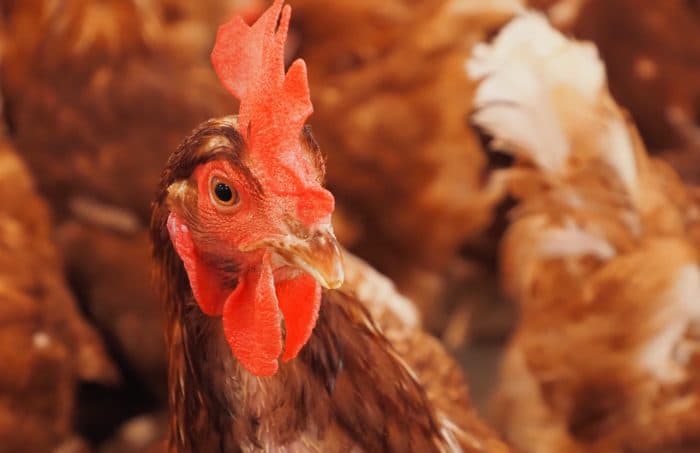
ATLANTA, GEORGIA — Governor Brian Kemp’s newly signed state budget allocates less than one in every 10 state dollars spent on Georgia’s three primary health agencies to the Department of Public Health, raising concerns about the state’s ability to protect its leading agribusiness industry from disease outbreaks.
The funding shortfall comes as Georgia’s agricultural sector, the state’s number one industry, faces mounting threats from infectious diseases that can devastate both livestock and the economy. Recent avian influenza outbreaks have already forced the culling of hundreds of thousands of birds in Georgia alone, demonstrating the connection between public health infrastructure and agricultural security.
Avian Flu Highlights Vulnerability
The spread of severe avian influenza H5N1 across multiple states has resulted in millions of culled birds nationwide, with Georgia experiencing significant losses. The outbreaks have caused egg and poultry prices to spike while putting workers at affected facilities at risk of both disease exposure and unemployment.
Georgia stands as the nation’s top poultry producer and serves as a leading grower of pecans, peanuts, and blueberries. The state also hosts a multi-billion dollar cattle and hog industry, making agricultural health a cornerstone of the state’s economy.
One Health Approach Gains Recognition
Public health experts increasingly embrace the “One Health” approach, which recognizes that human, animal, plant and environmental health are inseparable. This comprehensive view has gained support from major organizations including the Centers for Disease Control and Prevention and the U.S. Department of Agriculture.
These federal agencies typically respond when livestock disease or crop failure threatens the nation’s food supply, and when illness or outbreak threatens public health. The approach represents not the product of any single group, but rather a way of thinking that healthy land and healthy animals create a stronger, more secure America.
Economic Impact of Health Failures
The economic consequences of inadequate health monitoring can prove catastrophic. When agricultural workers cannot access care for unknown respiratory illnesses that may signal novel influenza strains, the costs extend far beyond individual patients. The impact affects households, employers, consumers and ultimately taxpayers who fund emergency responses to emerging health threats.
Chronic underinvestment in public health infrastructure puts both the state’s health security and economic well-being at risk, according to health policy analysts. The state’s agricultural economy depends on a robust public health system capable of tracking disease outbreaks and maintaining community health.
The budget allocation reflects ongoing challenges in balancing competing state priorities while maintaining essential health services that support Georgia’s agricultural foundation.