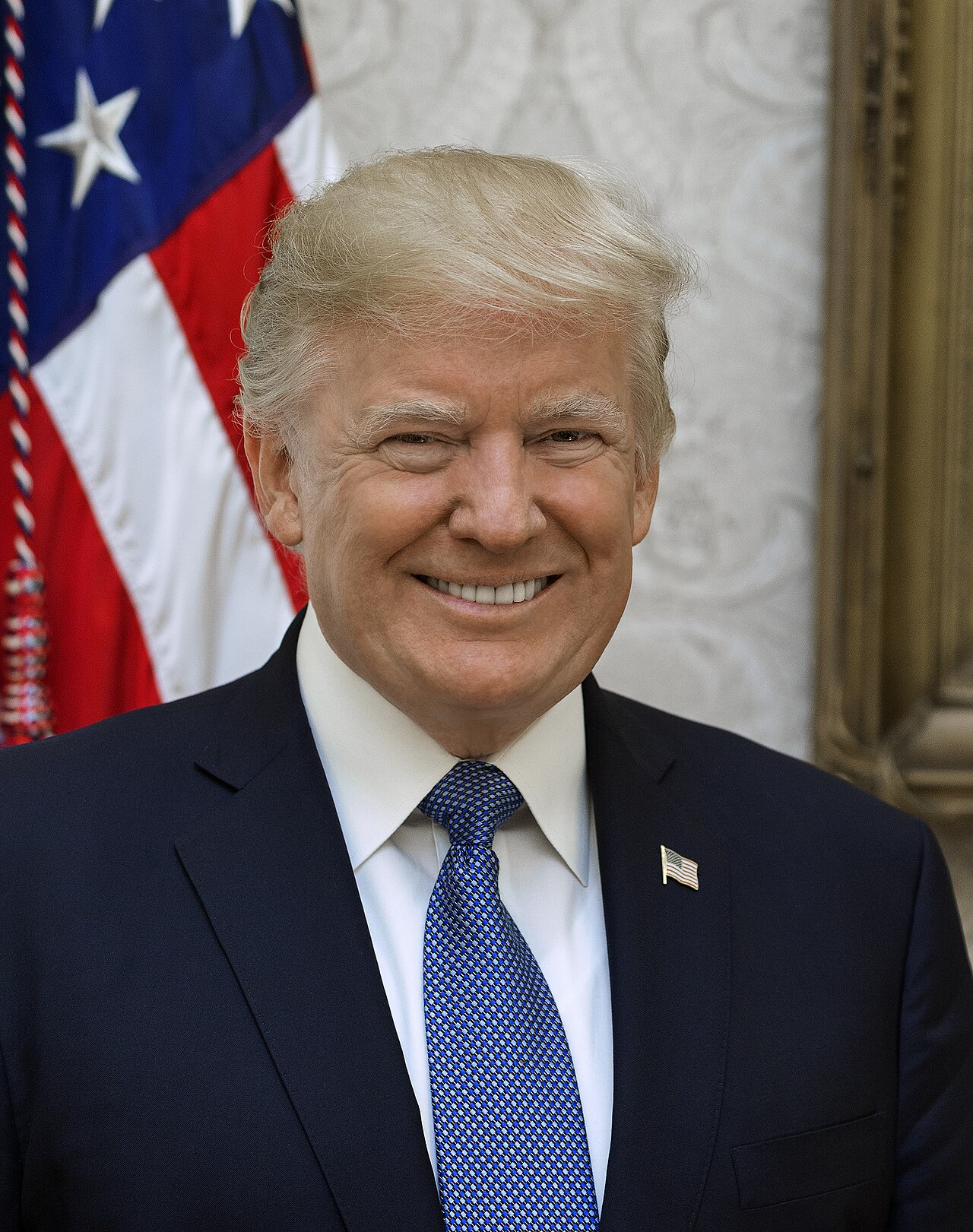
Trump signs executive order targeting Georgia’s mail-in voting laws
Trump’s new executive order could strip federal funding from states with loose mail-in voting rules—and Georgia is squarely in his crosshairs.


ATLANTA — President Donald Trump signed an executive order Monday seeking to restrict mail-in voting across multiple states, including Georgia, which could impact how residents cast ballots in future elections.
The order directs federal agencies to review state election laws and threatens to withhold federal funding from states that maintain what the administration considers overly permissive vote-by-mail policies, according to the Georgia Recorder.
Georgia’s current mail-in voting system, allowing any registered voter to request an absentee ballot without providing a reason, could face scrutiny under the new federal directive.
Impact on Georgia Elections
The executive order specifically targets states that expanded mail-in voting access during the COVID-19 pandemic and maintained those policies afterward. Georgia falls into this category after implementing no-excuse absentee voting.
Secretary of State Brad Raffensperger’s office has not yet responded to requests for comment about how the federal order might affect Georgia’s election procedures. State election officials are reviewing the directive to determine its potential impact on upcoming elections.
The order could affect funding for election security improvements and voter registration systems that Georgia has received from federal sources in recent years.
Legal Challenges Expected
Constitutional law experts predict the executive order will face immediate legal challenges from affected states. The directive attempts to use federal spending power to influence state election laws, which are traditionally controlled at the state level.
Georgia election law currently permits all registered voters to request absentee ballots up to 180 days before an election. Voters must provide identification when requesting ballots and include a copy of acceptable ID when returning completed ballots.
The state processed more than 1.3 million absentee ballots during the 2024 general election, representing approximately 26% of all votes cast, according to state election data.
Political Reactions
Democratic leaders in Georgia’s congressional delegation condemned the executive order as federal overreach. Representative Nikema Williams called the directive “an attack on voting rights and state sovereignty.”
Republican supporters of the order argue it will enhance election security and restore public confidence in voting systems. They contend that widespread mail-in voting creates opportunities for fraud, though multiple audits and recounts have not substantiated these claims in Georgia.
The order gives states 90 days to comply with new federal guidelines or face potential funding reductions. State officials are expected to seek clarification on specific requirements and timelines for implementation.
Georgia’s next major election is scheduled for 2026, when voters will choose a new governor and other statewide offices. Any changes to voting procedures would need approval from the state legislature and could face court challenges.