Trump’s SAVE America Act targets voter registration drives in Georgia
New federal legislation would ban community groups and nonprofits from conducting voter registration drives, potentially affecting thousands of Georgia voters.

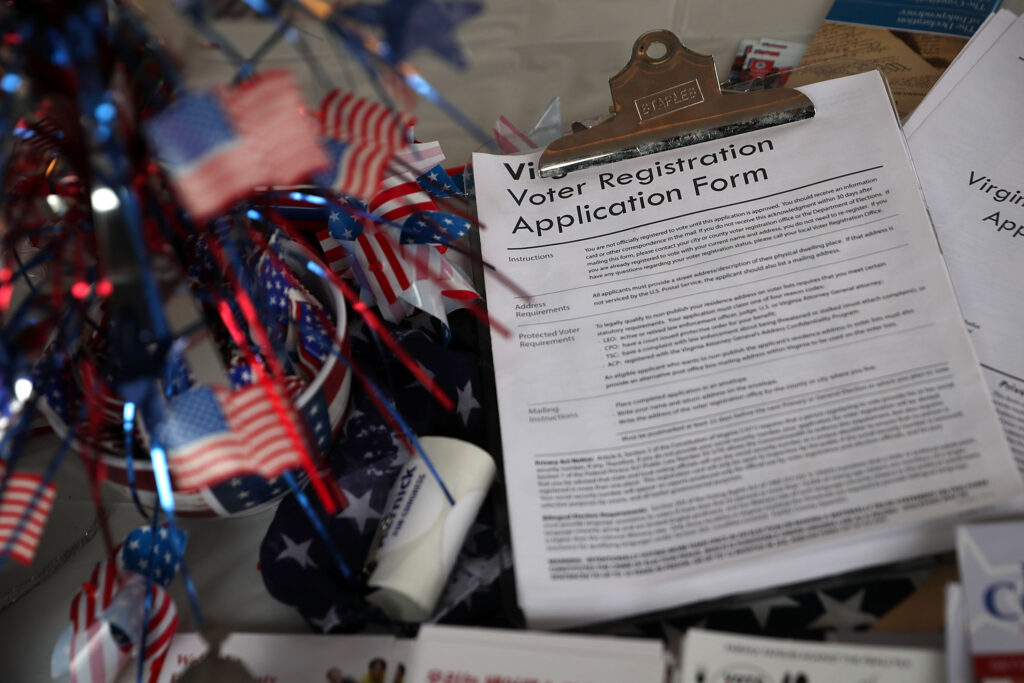
ATLANTA, GEORGIA — Former President Donald Trump announced new federal legislation aimed at eliminating third-party voter registration drives across the country, including those conducted by organizations in Georgia.
The proposed SAVE America Act would prohibit community groups, nonprofits, and political organizations from conducting voter registration campaigns outside of official government offices. Trump outlined the proposal during a campaign event, stating the measure aims to prevent what he called “fraudulent voter registration activities.”
Impact on Georgia Organizations
The legislation would significantly affect Georgia’s voter outreach efforts. Organizations like the League of Women Voters, Fair Fight, and local church groups regularly conduct registration drives in communities across the state.
“This would fundamentally change how we engage with voters in Georgia,” said Maria Rodriguez, spokesperson for the Georgia Coalition for Voter Access. “Many of our most effective registration efforts happen at community events, college campuses, and neighborhood gatherings.”
Georgia has historically relied on third-party registration drives to reach underserved communities. According to the Georgia Secretary of State’s office, approximately 40% of new voter registrations in the state come through community organizations rather than direct government contact.
Legislative Details and Timeline
The SAVE America Act would require all voter registration to occur exclusively at designated government facilities, including county election offices, DMV locations, and other approved state buildings. The proposal includes provisions for enhanced verification procedures and mandatory background checks for election workers.
Trump’s campaign indicated the legislation would be introduced in Congress within 60 days if he returns to office. The bill would need approval from both the House and Senate before implementation.
Georgia Secretary of State Brad Raffensperger has not yet commented on the proposed federal legislation. His office previously defended the state’s current voter registration system, citing strong security measures already in place.
Statewide Reactions
Several Georgia lawmakers expressed concerns about the potential impact on voter access. Democratic state representatives argue the measure could disproportionately affect rural communities and college students who rely on campus registration drives.
“College students often register through campus events because it’s convenient and accessible,” said State Rep. Jennifer Martinez of Decatur. “Eliminating these opportunities could reduce participation among young voters.”
Republican supporters of the proposal argue it would strengthen election integrity by centralizing the registration process. They point to concerns about oversight and verification in current third-party registration efforts.
The Georgia Association of Voter Registrars estimates that implementing the new requirements would require additional staffing and resources at county election offices statewide. Many rural counties currently have limited hours and staff for voter registration services.
Legal experts suggest the legislation could face constitutional challenges if passed. Previous federal attempts to restrict voter registration methods have encountered court obstacles, particularly regarding accessibility requirements under federal voting rights laws.
Georgia processed more than 200,000 new voter registrations through third-party organizations during the 2022 election cycle, according to state election data. These drives typically occur at festivals, shopping centers, universities, and community centers throughout the state.