Trump Proposes 43% Defense Spending Increase in Federal Budget Request
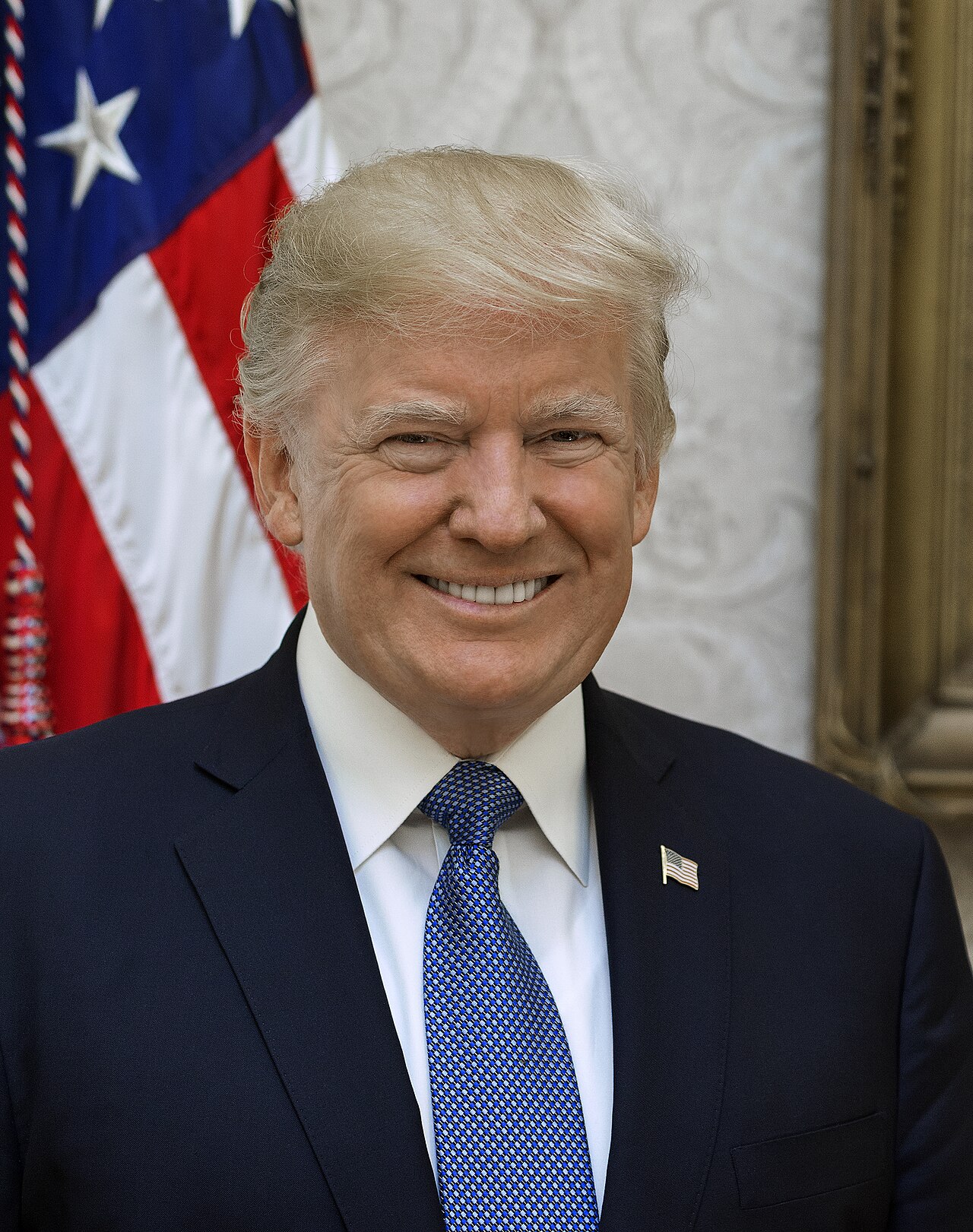
President Trump’s federal budget seeks a dramatic 43% boost in defense spending that could bring major benefits to Georgia’s military bases and defense contractors.

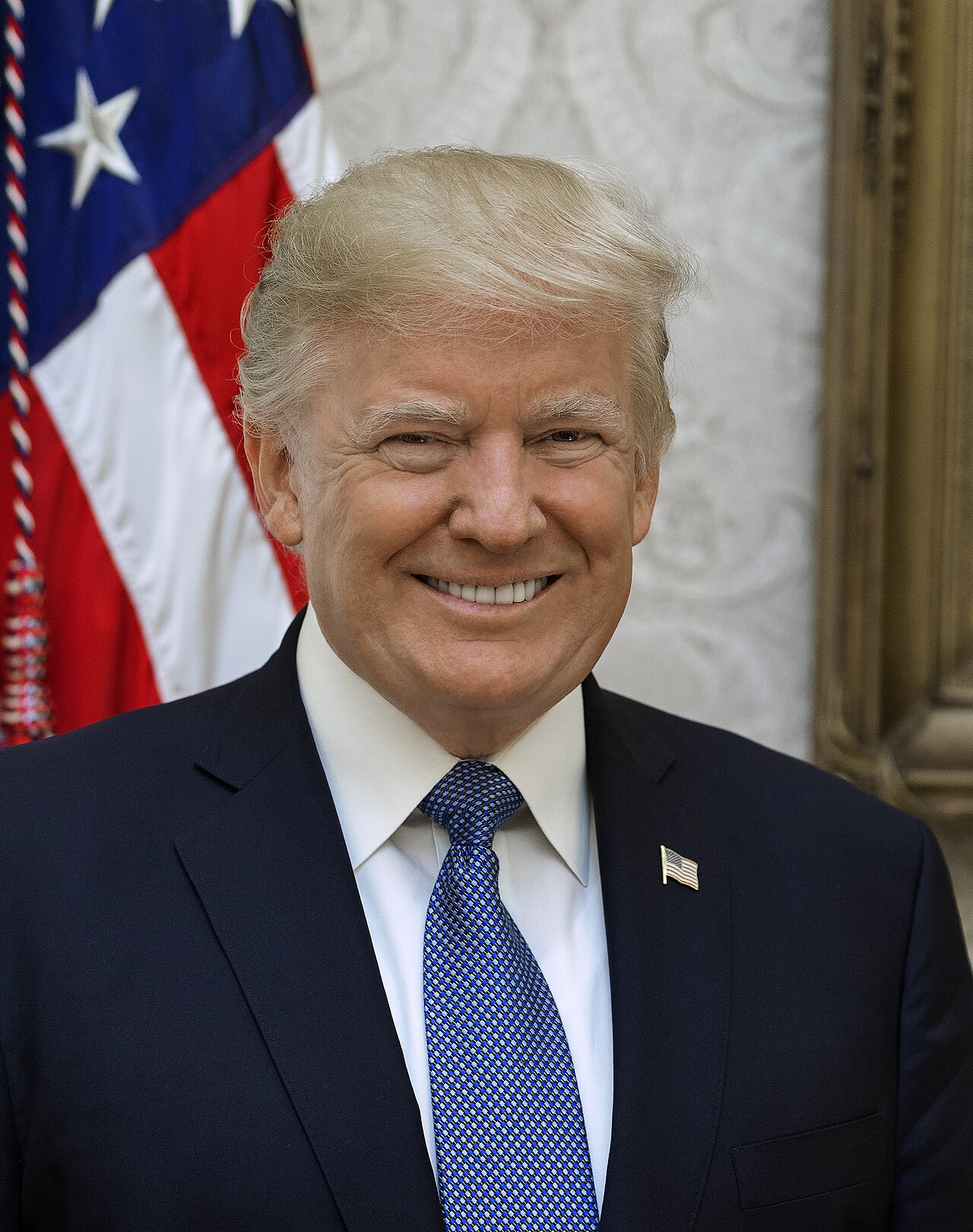
ATLANTA, GEORGIA — President Donald Trump submitted a federal budget proposal calling for a 43% increase in defense spending, a move that could significantly impact Georgia’s military and defense contractor presence across the state.
The budget request seeks to boost Pentagon funding to support modernization efforts and enhanced national security capabilities. Georgia houses major military installations including Fort Moore, Robins Air Force Base, and Fort Eisenhower, making the state particularly sensitive to shifts in defense appropriations.
Georgia’s Defense Industry at Stake
The proposed spending surge would potentially benefit Georgia’s defense contractor network, which includes Lockheed Martin’s Marietta facility that produces C-130J aircraft and various missile systems. The state’s defense sector employs tens of thousands of workers and contributes billions annually to the local economy.
Defense analysts noted the increase represents one of the largest proposed year-over-year jumps in military spending in recent decades. The request must still receive approval from Congress, where lawmakers will scrutinize individual program allocations and overall fiscal impact.
Congressional Response Expected
Georgia’s congressional delegation will likely play a key role in advancing portions of the defense budget that directly affect the state’s military installations and contractor facilities. Representatives from districts containing major defense assets typically advocate strongly for maintaining or expanding military investments.
The budget proposal comes as the Pentagon faces competing priorities including personnel costs, equipment modernization, and emerging technological threats. Military leaders have consistently argued for increased funding to address growing global security challenges.
Economic Implications for State
Beyond direct military spending, the proposed increase could ripple through Georgia’s broader economy. Defense contractors often rely on extensive supply chains that include smaller manufacturers and service providers throughout the state.
The timing of the budget request coincides with ongoing debates over federal spending priorities and deficit reduction efforts. Critics of increased defense spending argue the funds could be allocated to domestic programs, while supporters maintain robust military funding remains essential for national security.
State economic development officials have historically pointed to defense spending as a stabilizing force for Georgia’s economy, providing consistent employment and investment even during economic downturns. The proposed increase would likely reinforce that trend if approved by lawmakers.
Congressional budget processes typically involve months of hearings, markup sessions, and negotiations before final appropriations bills reach the president’s desk. The ultimate defense spending level may differ substantially from the initial request as lawmakers balance competing priorities and fiscal constraints.