Tourism Officials Share Essential Tips for Nashville First-Time Visitors
Tourism officials urge first-time Music City visitors to book accommodations early and prepare for parking challenges downtown.

NASHVILLE, TENNESSEE — Tourism officials are advising first-time visitors to Music City to plan ahead and understand local customs before arriving in one of the South’s fastest-growing destinations.
The Tennessee Department of Tourist Development reports that Nashville continues to experience record-breaking visitor numbers, making advance planning more critical than ever. Hotels in the downtown corridor and Music Row area often book months ahead, particularly during peak season from March through October.
“We’re seeing visitors who arrive without reservations struggle to find accommodations within reasonable distance of the main attractions,” said representatives from the Nashville Convention & Visitors Corp.
Transportation and Parking Challenges
City transportation officials emphasize that parking in downtown Nashville can cost between $10 to $30 per day, with limited street parking available. The WeGo Public Transit system offers bus routes connecting major tourist areas, though many visitors opt for rideshare services.
Broadway, the main entertainment strip, remains pedestrian-heavy with frequent street closures for events. Officials recommend using hotel shuttles or designated rideshare pickup zones rather than attempting to drive directly to honky-tonk venues.
Music Scene and Entertainment Districts
The Nashville music scene extends far beyond the famous Broadway strip, according to local entertainment industry representatives. The Gulch, East Nashville, and Germantown neighborhoods each offer distinct musical experiences and dining options.
Live music venues typically don’t charge cover fees during afternoon hours, but evening shows often require admission fees ranging from $5 to $25. Most honky-tonk bars welcome visitors of all ages during daytime hours, switching to 21-and-older policies after 6 p.m.
Local musicians and venue owners note that tipping is customary and appreciated, particularly for street performers and musicians playing in tip jars venues.
Food Scene and Local Customs
Nashville’s culinary offerings have expanded beyond traditional hot chicken and barbecue, though these remain staple experiences for visitors. Restaurant industry representatives report that reservations are strongly recommended for popular establishments, especially those featured in national food publications.
Hot chicken establishments like Prince’s and Hattie B’s often have extended wait times during peak hours. Food service workers recommend visiting during off-peak hours or trying lesser-known locations for shorter waits.
Local dining etiquette follows standard Southern hospitality customs, with 18-20% gratuity expected at full-service restaurants. Many establishments offer both tourist-friendly and locally-preferred menu items.
Weather and Seasonal Considerations
Nashville weather can change rapidly, particularly during spring and fall months. The National Weather Service advises visitors to pack layers and check forecasts regularly, as afternoon thunderstorms are common from April through September.
Summer temperatures frequently exceed 90 degrees with high humidity, while winter months can bring unexpected ice storms that affect travel conditions. Spring tornado season runs from March through May, though the immediate Nashville metro area rarely experiences direct hits.
Tourism officials recommend indoor backup plans during summer visits due to frequent afternoon weather delays affecting outdoor concerts and festivals.
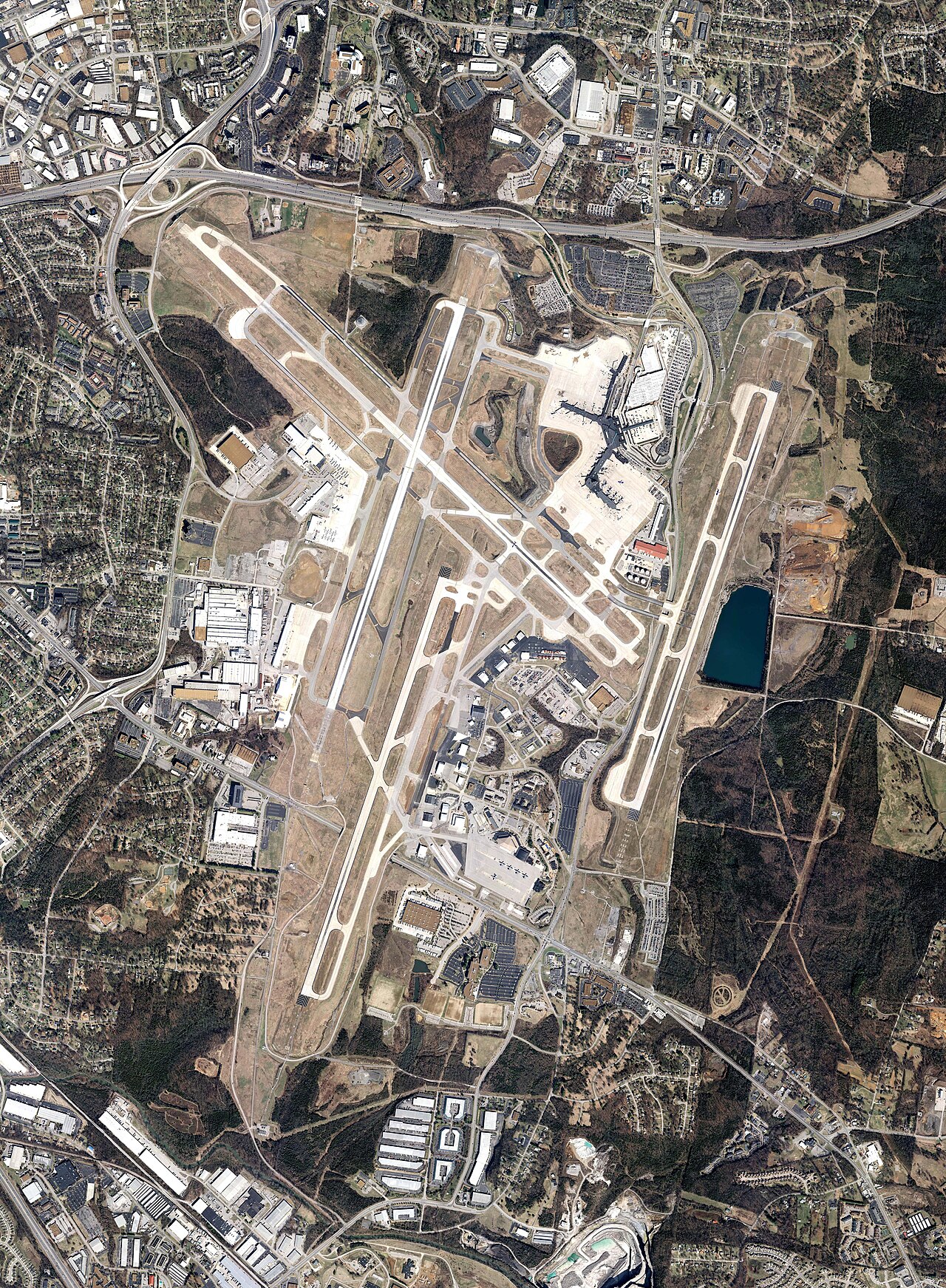
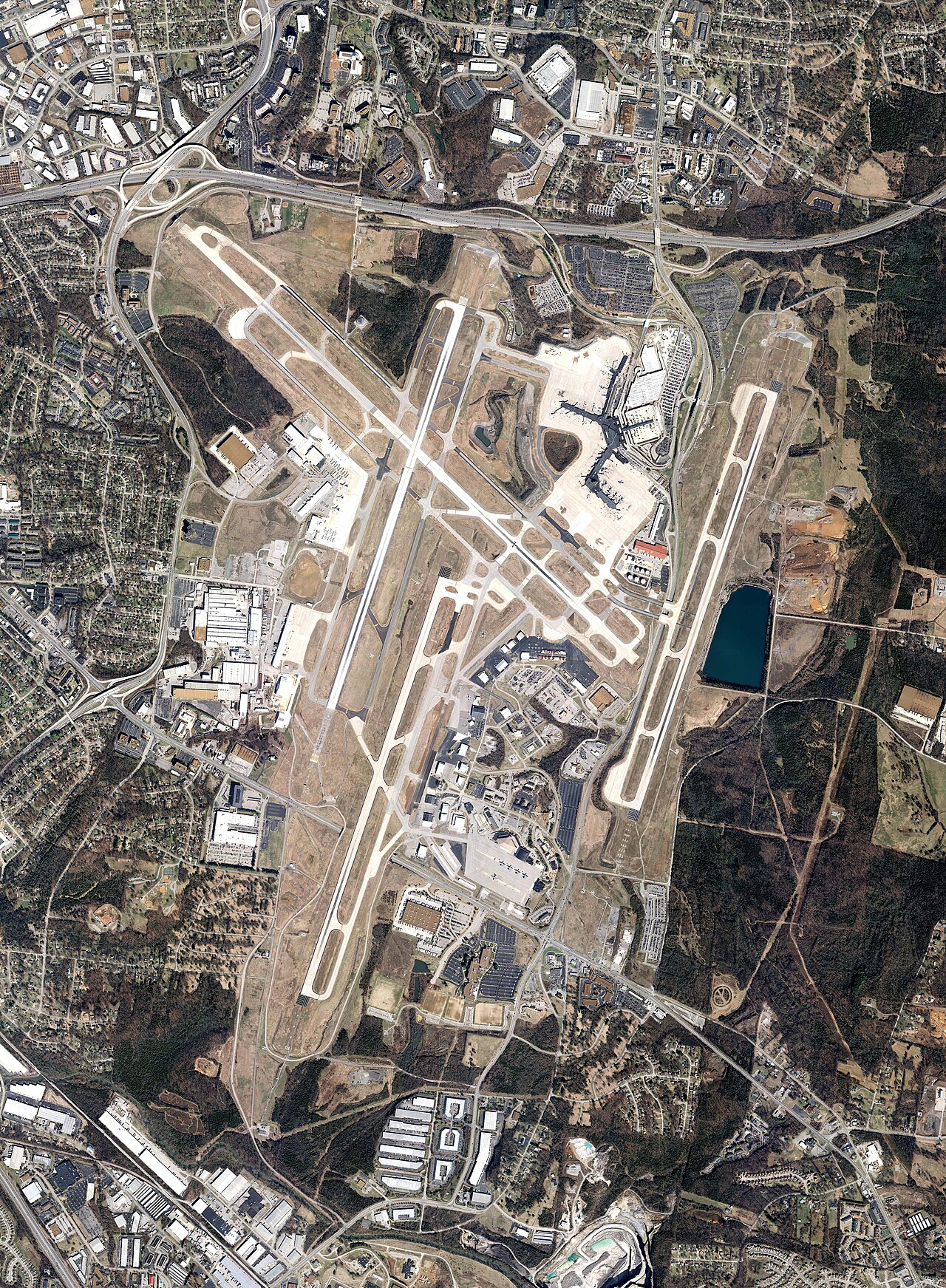
The Nashville International Airport typically experiences its busiest periods during CMA Music Festival in June and New Year’s Eve, when visitors should expect longer security lines and potential flight delays.