Stein Calls Out ‘Policy Hostility’ Toward Clean Energy at State Conference
Governor warns federal and state policies are creating obstacles for renewable energy despite rising power demands and corporate commitments to clean energy targets.


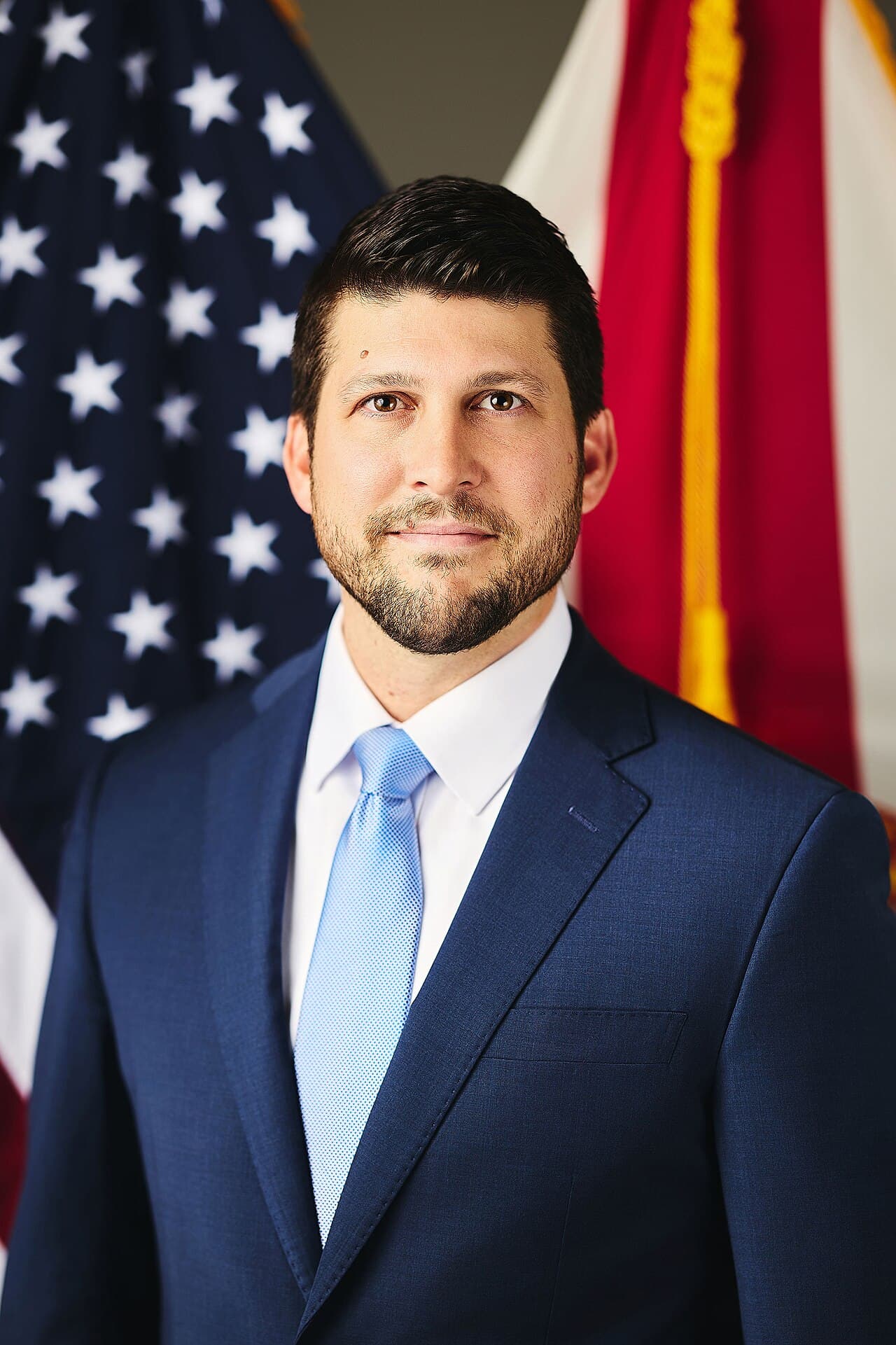
RALEIGH, NORTH CAROLINA — Governor Josh Stein warned energy industry leaders on Tuesday that North Carolina faces significant challenges from federal and state policies that create obstacles for renewable energy development, despite growing demand for clean power solutions.
Speaking at the 2026 State Energy Conference, Stein emphasized that renewable energy remains the most cost-effective path to meet rapidly increasing power demands across the state.
“In North Carolina, there are 338 companies that are on the Forbes Global 2000 list that have set net-zero emissions targets,” Stein told conference attendees. “These companies collectively employ more than 450,000 people across all 100 counties and across sectors.”
Federal Opposition Creates Uncertainty
The governor criticized what he called “the hostility of the federal government toward clean energy policy” that “has created grave uncertainty” for the industry. Stein specifically pointed to the Trump administration’s recent decision to spend nearly $1 billion in taxpayer funds to cancel a major offshore wind project.
The Carolina Long Bay project, which was located approximately 22 miles south of Bald Head Island, would have generated more than one gigawatt of power from the wind farm. The facility was designed to produce enough energy to power about 300,000 homes before its cancellation.
U.S. Interior Secretary Doug Burgum defended the decision, calling the offshore wind project “expensive, unreliable, and environmentally disruptive.” President Donald Trump has maintained his vocal opposition to offshore wind development for years.
State-Level Setbacks
Stein described the project’s cancellation as “mind-bogglingly senseless” and said similar “regression” was occurring at the state level through legislative actions.
The governor cited the Republican-led legislature’s override of his veto of Senate Bill 266, known as “The Power Bill Reduction Act,” during the previous session. According to Stein, expert analysis projected the bill would lead to a $23 billion increase in fuel costs through 2050.
The legislation also shifted more of the fuel cost burden from industrial users to residential consumers, Stein noted. More recently, the Utilities Commission used SB 266 to pause procurement processes for new renewable energy projects.
Growing Energy Demands
Despite policy obstacles, Stein argued that developing renewable energy options continues to represent the fastest and most affordable approach to meeting North Carolina’s increasing power needs. The governor’s remarks come as energy consumption rises across the state due to population growth and expanding industrial operations.
The 2026 State Energy Conference brought together utility companies, renewable energy developers, and state officials to discuss the future of North Carolina’s energy infrastructure and policy framework.