Sandusky County Judge Blocks Ohio Hemp Ban in Single City
A Sandusky County judge temporarily halted Ohio’s intoxicating hemp ban in one city, marking the first successful legal challenge to the statewide legislation.

COLUMBUS, OHIO — A Sandusky County judge has issued a temporary restraining order blocking enforcement of Ohio’s statewide intoxicating hemp ban within one municipality, creating a legal exception that could influence similar challenges across the state.
The ruling affects enforcement of Ohio’s comprehensive hemp legislation that took effect earlier this year, according to court documents filed in Sandusky County Common Pleas Court. The temporary order prevents state and local officials from enforcing the ban within the affected city’s boundaries while litigation proceeds.
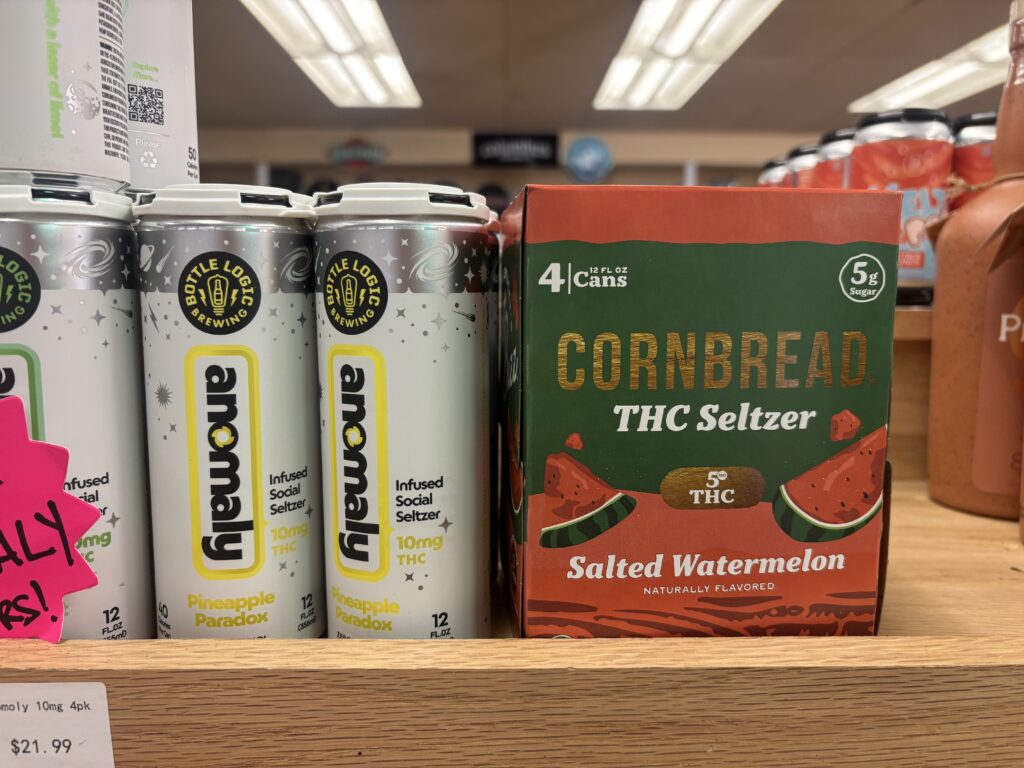
Ohio’s hemp ban targeted products containing intoxicating compounds derived from hemp plants, including delta-8 THC and other synthetic cannabinoids that had operated in a legal gray area. The legislation aimed to close loopholes that allowed these products to be sold alongside traditional hemp-derived CBD items.
Legal Challenge Centers on Implementation
The temporary restraining order emerged from a lawsuit challenging the state’s enforcement mechanisms and regulatory framework. Court filings indicate the challenge focuses on procedural aspects of how the ban was implemented rather than disputing the legislature’s authority to regulate hemp products.
Legal experts note that temporary restraining orders typically remain in effect for limited periods while courts review the underlying legal arguments. The Sandusky County case represents the first successful judicial challenge to Ohio’s hemp legislation since its passage.
The affected municipality had been preparing to comply with state enforcement requirements when the court intervention occurred. Local officials indicated they would follow the judicial order while the legal proceedings continue.
Statewide Implications Under Review
Ohio’s intoxicating hemp ban affected hundreds of retailers across the state who had been selling products containing delta-8 THC and similar compounds. Many businesses faced inventory disposal requirements and product line adjustments to comply with the new regulations.
The legislation defined intoxicating hemp products as those containing more than trace amounts of psychoactive compounds beyond traditional CBD. Enforcement responsibility fell to state regulatory agencies working with local authorities to ensure compliance.
Industry representatives have been monitoring the Sandusky County case as a potential template for additional legal challenges. The temporary order could influence how similar cases proceed in other Ohio jurisdictions.
State officials maintain that the hemp ban serves public safety objectives by regulating products that can produce intoxicating effects similar to marijuana. The legislation aligned Ohio’s approach with regulatory frameworks adopted by several other states.
Next Steps in Legal Process
The temporary restraining order will remain effective until the court schedules further hearings on the underlying lawsuit. Both parties are expected to present additional arguments regarding the scope and implementation of Ohio’s hemp regulations.
Legal observers indicate the case could establish precedents affecting how states regulate hemp-derived products that exist in regulatory gray areas. The outcome may influence similar legislation under consideration in other jurisdictions.
The Sandusky County ruling comes as federal regulators continue developing comprehensive frameworks for hemp and cannabis-derived products. Ohio’s experience could inform national policy discussions on regulating intoxicating hemp compounds.
Court records show additional proceedings are scheduled in the coming weeks as attorneys for both sides prepare to argue the merits of the underlying constitutional and procedural challenges to the state’s hemp ban enforcement.