Pennsylvania House Passes $53.2B Budget on Bipartisan Vote
Pennsylvania House passes Gov. Shapiro’s $53.2 billion budget with bipartisan support, but Republican-controlled Senate faces key decisions on cannabis taxes.

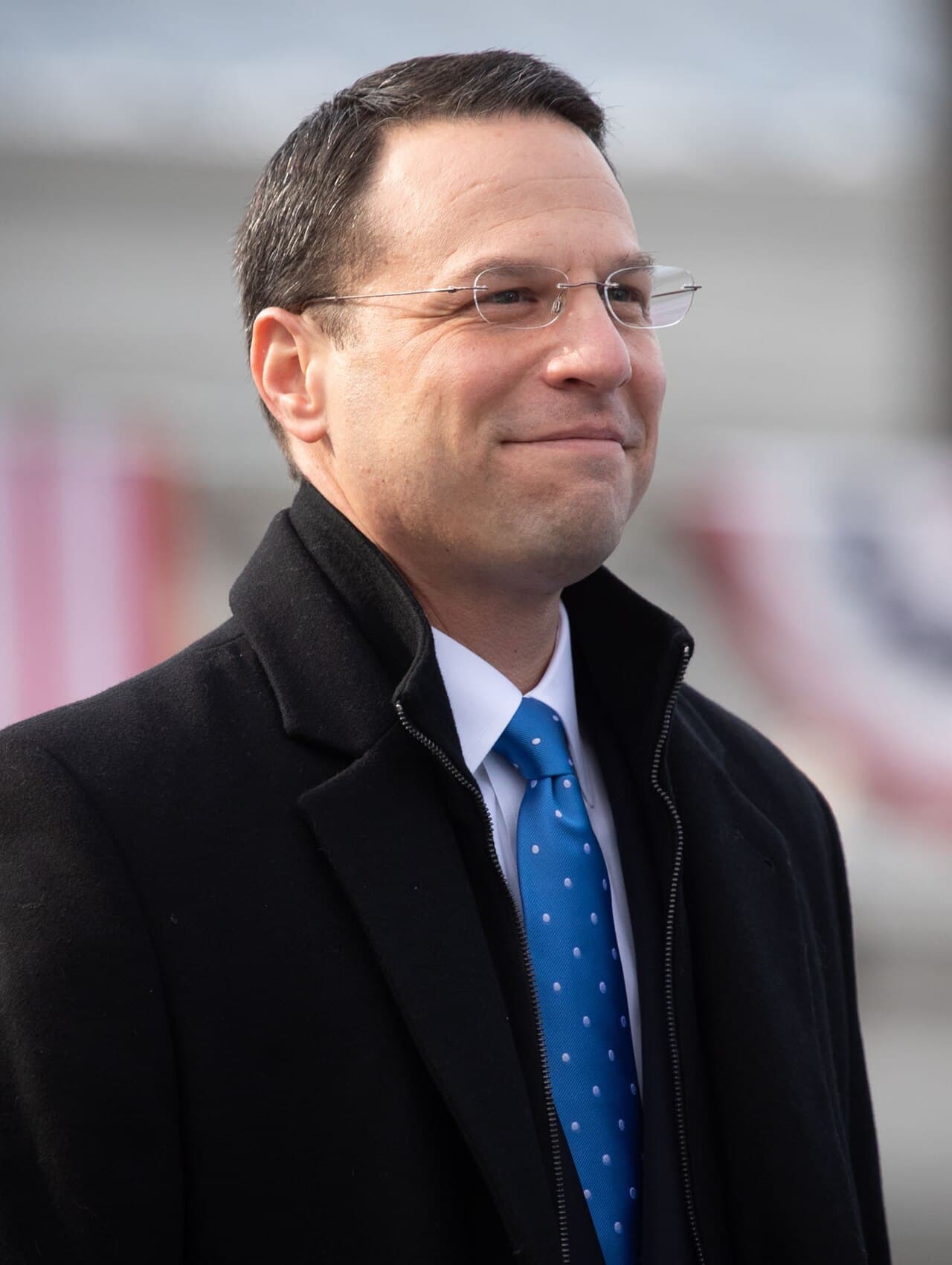
HARRISBURG, PENNSYLVANIA — The Pennsylvania House of Representatives passed Gov. Josh Shapiro’s $53.2 billion budget proposal on Tuesday with bipartisan support, advancing the spending plan to the state Senate on a 107-94 vote.
Five Republicans joined all 102 House Democrats to approve the unaltered budget measure, which represents a 5.4% increase over last year’s spending plan. The proposal now moves to the Republican-controlled Senate for consideration.
Budget Details and Funding Sources
The budget calls for funding part of the increased spending through taxes on legalized recreational cannabis and electronic skill games. Both revenue sources have been included in previous budget proposals but have faced annual rejection from Senate Republicans.
“This budget continues our investment in public education, support for law enforcement, and strengthening Pennsylvania’s economy, all while returning money to working families and not raising taxes,” said House Appropriations Committee Chair Rep. Jordan Harris (D-Philadelphia) in a statement.
Harris emphasized the chamber’s priorities in moving the budget forward. “Our focus remains clear: getting a responsible, balanced budget done on time that makes Pennsylvania more affordable and continues to deliver on our commitments to communities across the Commonwealth,” he said.
Political Dynamics and Challenges Ahead
The budget’s passage highlights the complex political dynamics in Harrisburg. While Democrats control both the governor’s office and the House with a narrow one-seat majority, Republicans maintain a slim majority in the state Senate, requiring all parties to reach consensus on the final spending plan.
House Speaker Joanna McClinton (D-Philadelphia) presided over Tuesday’s vote, which took place three weeks after lawmakers first introduced the spending proposal that mirrors Shapiro’s original budget recommendation.
History of Budget Delays
Pennsylvania has struggled with timely budget completion in recent years, with negotiations stretching past the June 30 deadline in six of the last ten years. Last year’s budget negotiations proved particularly challenging, with the final spending plan completed 135 days late, creating financial uncertainty for counties, schools and nonprofit organizations across the state.
The prolonged 2025 budget delay left many public entities in a difficult financial position while lawmakers worked to resolve their differences on spending priorities and revenue sources.
The Senate will now begin its review of the House-passed budget as the state works toward the June 30 constitutional deadline for finalizing the 2026-2027 spending plan. With Republicans controlling the upper chamber, the fate of the cannabis and electronic gaming tax provisions remains uncertain, potentially setting up another round of difficult negotiations between the chambers and parties.