Ohio utilities among those planning $1.4 trillion in grid upgrades nationwide
Ohio utilities plan billions in grid upgrades as part of nationwide $1.4 trillion investment that could drive up electric bills across the state.

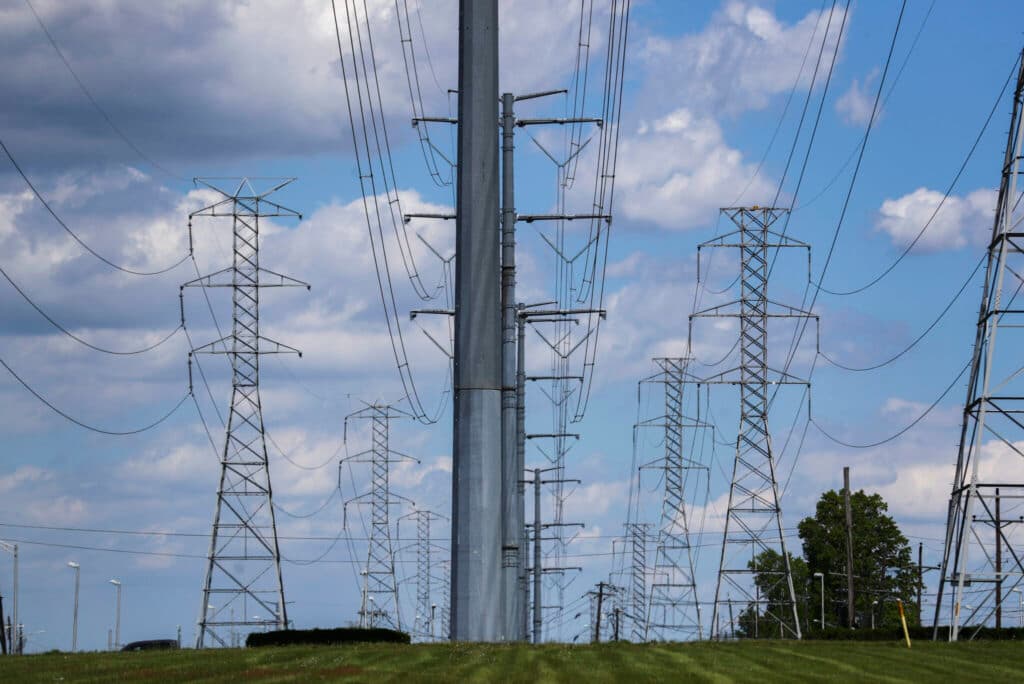
COLUMBUS, OHIO — Utility companies nationwide are planning to invest $1.4 trillion in power grid infrastructure by 2030, with Ohio consumers expected to see significant portions of those costs reflected in their monthly electric bills, according to a new study.
The energy research group Powerlines analyzed quarterly earnings reports from 51 investor-owned utilities to compile the five-year spending forecast. The projected investments represent a sharp increase from estimates made just one year ago and follow $31 billion in consumer rate increase requests filed by utilities in 2025.
“These two data points, the $1.4 trillion in capital spending over the next five years, and the $31 billion in rate increase request last year, that has not yet fully hit people’s utility bills,” said Charles Hua, founder and executive director of Powerlines. “We consider them both leading indicators for where the trend around utility and electricity affordability could go over the next coming years.”
Major Ohio Utility Investments
Duke Energy, which serves customers in southeast Ohio, leads the nation with the largest capital expenditure plan among all utilities studied. The company plans to spend $103 billion over the five-year period, with the majority directed toward its operations in the Carolinas and Florida. Duke has allocated approximately $3.25 billion specifically for upgrades in Ohio.
American Electric Power ranks fifth nationally on Powerlines’ list of proposed capital expenditures. AEP operates utilities in Ohio and 10 other states, with plans to invest $72 billion across its 11-state service territory. According to the company’s fourth quarter earnings presentation from 2025, about $5.7 billion of that total is designated for Ohio projects.
How Utility Spending Affects Consumer Bills
Utilities function as regulated monopolies with a unique revenue model that differs from typical businesses. The process involves utilities spending money on power delivery infrastructure and then seeking reimbursement from state regulatory agencies. Customers ultimately pay for these expenditures through rates approved by state regulators.
Capital expenditures represent long-term investments in physical infrastructure such as power lines, substations, and generation facilities. These investments are typically recovered from customers over many years through rate adjustments and regulatory proceedings.
The substantial increase in planned spending reflects growing demands on the nation’s aging electrical grid, including the need to accommodate renewable energy sources, electric vehicle charging infrastructure, and increased electricity consumption from data centers and other high-demand facilities.