Ohio Secretary of State Candidates Clash Over Gerrymandering in Primary Debate
Republican and Democratic candidates for Ohio Secretary of State debated gerrymandering reform and election integrity ahead of competitive May primaries.

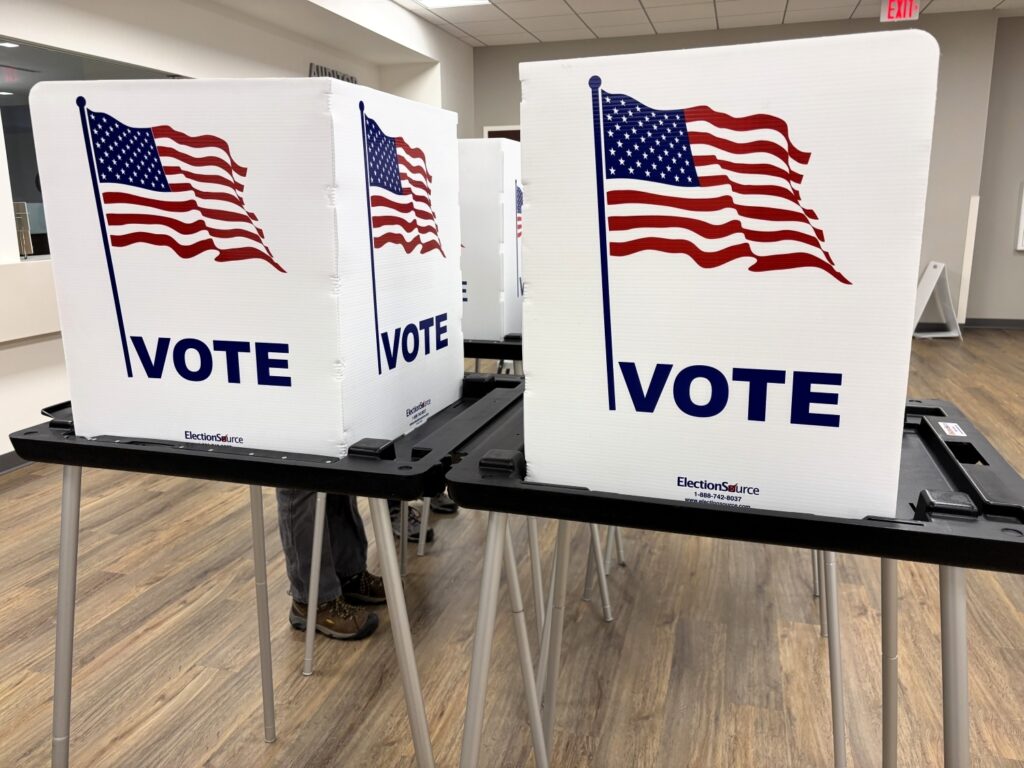
COLUMBUS, OHIO — Candidates for Ohio Secretary of State engaged in primary debates Monday, with gerrymandering reform and election integrity as key issues ahead of the May primary elections.
Both Republican and Democratic primaries feature contested races for the state’s top election official position, currently held by Frank LaRose, who is term-limited. The debates highlighted divisions over redistricting processes and voting access measures.
Republican Primary Centers on Election Security
In the Republican contest, three candidates debated their approaches to managing Ohio’s elections. State Representative John Adams emphasized strengthening voter ID requirements and implementing additional security measures for mail-in balloting.
“We need to restore confidence in our electoral system by ensuring every legal vote counts,” Adams said during the televised debate. His opponents, former county clerk Maria Rodriguez and business owner Tom Mitchell, offered varying perspectives on balancing security with voter accessibility.
Rodriguez advocated for modernizing election infrastructure while maintaining current verification protocols. Mitchell focused on streamlining the voter registration process and reducing administrative burdens on county election boards.
Democrats Focus on Redistricting Reform
The Democratic primary debate featured two candidates discussing comprehensive redistricting reform. Former state senator Lisa Chen called for implementing independent redistricting commissions to end what she termed “partisan map manipulation.”
“Ohio voters deserve fair maps that represent their communities, not political interests,” Chen stated. Her opponent, current Hamilton County elections director David Park, proposed establishing stricter transparency requirements for the redistricting process.
Both Democratic candidates criticized the current system that has produced maps repeatedly rejected by the Ohio Supreme Court. They pledged to work with the General Assembly to create new redistricting procedures that comply with constitutional requirements.
Election Administration Takes Center Stage
The debates also addressed practical election administration issues facing Ohio’s 88 counties. Candidates discussed funding challenges for election equipment upgrades and staffing shortages at polling locations.
Several candidates proposed increasing state funding for county election boards and expanding early voting opportunities. The Republican candidates expressed support for maintaining current early voting periods while Democrats called for extending voting hours and adding more early voting locations.
Vote-by-mail policies generated discussion among all candidates. Republicans generally favored maintaining existing absentee ballot requirements while Democrats supported expanding no-excuse absentee voting access.
The Secretary of State position oversees all aspects of Ohio’s elections, from candidate ballot access to vote counting procedures. The office also maintains business registration records and handles various administrative functions throughout the state.
Primary elections are scheduled for May 6, with the general election following in November. Recent polling shows competitive races in both primaries, with no clear frontrunners emerging among the candidates.
Ohio’s election laws have faced increased scrutiny following legal challenges to legislative and congressional district maps drawn after the 2020 census. The state Supreme Court rejected multiple map versions before eventually allowing maps that lawmakers acknowledged did not fully comply with anti-gerrymandering provisions.
Voter registration deadlines for the primary election are April 7, according to the Ohio Secretary of State’s office. Early in-person voting begins April 9 at county board of elections locations across the state.