Ohio-Connected Artemis II Mission Passes Halfway Point to Moon
NASA’s Artemis II spacecraft crosses the halfway mark to the moon, positioning the mission to potentially break Apollo 13’s 50-year distance record.

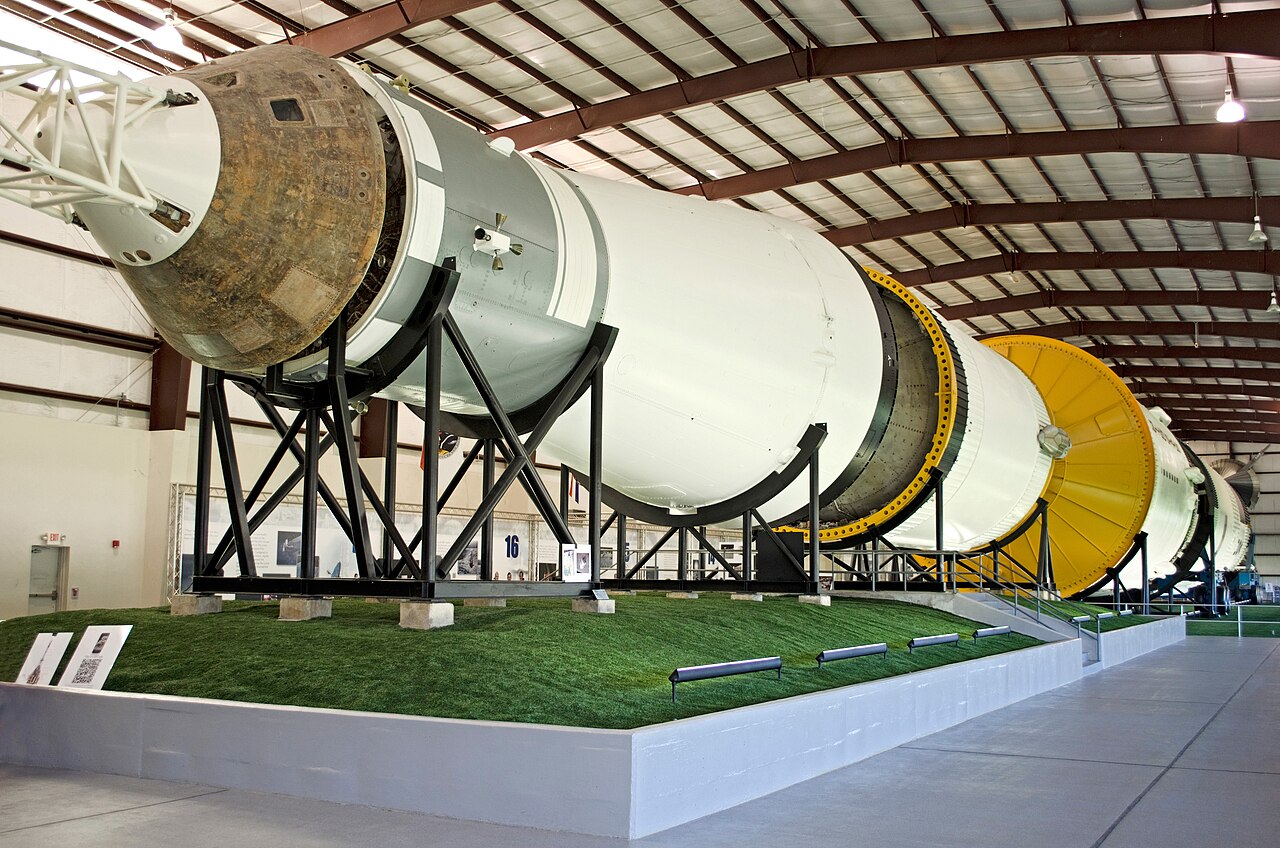
COLUMBUS, OHIO — NASA’s Artemis II mission has crossed the halfway mark in its journey to the moon, with the four-person crew now positioned to potentially break the distance record set by Apollo 13 more than five decades ago.
The uncrewed Orion spacecraft continues its planned trajectory around the moon as part of NASA’s program to return humans to lunar orbit. Mission controllers at NASA’s Johnson Space Center in Houston reported the spacecraft passed the midway point of its 1.4 million-mile journey on schedule.
The current mission aims to surpass Apollo 13’s farthest distance record of 248,655 miles from Earth, established during that mission’s dramatic abort and return in April 1970. Artemis II represents a step in NASA’s broader goal of landing the first woman and next man on the moon’s surface.
Mission Progress and Objectives
The Orion capsule launched atop NASA’s Space Launch System rocket from Kennedy Space Center in Florida. The spacecraft will complete a flyby of the moon before returning to Earth, testing systems needed for future crewed lunar missions.
NASA officials said the mission has proceeded according to plan since launch, with all major systems functioning normally. The spacecraft carries advanced life support systems, navigation equipment, and heat shields designed to protect future astronaut crews during deep space travel.
Flight controllers continue monitoring the spacecraft’s trajectory and performance as it approaches the moon. The mission timeline calls for the closest lunar approach before beginning the return journey to Earth.
Artemis Program Significance
The Artemis II flight serves as a precursor to Artemis III, which NASA plans as the first crewed lunar landing since Apollo 17 in 1972. The program represents the space agency’s most ambitious human spaceflight initiative in decades.
NASA has invested billions of dollars in developing the Orion spacecraft and Space Launch System specifically for deep space exploration missions. The technology tested during this uncrewed flight will inform safety protocols and operational procedures for future astronaut crews.
The mission also carries scientific instruments designed to gather data about the lunar environment and radiation exposure in deep space. This information will be essential for planning longer-duration missions to the moon and eventually Mars.
Mission planners expect Orion to complete its lunar flyby and begin the return trip to Earth within the coming days. The spacecraft must successfully demonstrate its heat shield capabilities during high-speed reentry through Earth’s atmosphere.
NASA officials said the mission’s success will determine the timeline for Artemis III and subsequent crewed lunar missions. The space agency continues working toward its goal of establishing a sustainable human presence on and around the moon.