North Carolina Representatives Among Historic Congressional Exodus
A wave of congressional retirements is reshaping North Carolina’s delegation, creating the largest legislative turnover in decades and opening competitive races across multiple districts.

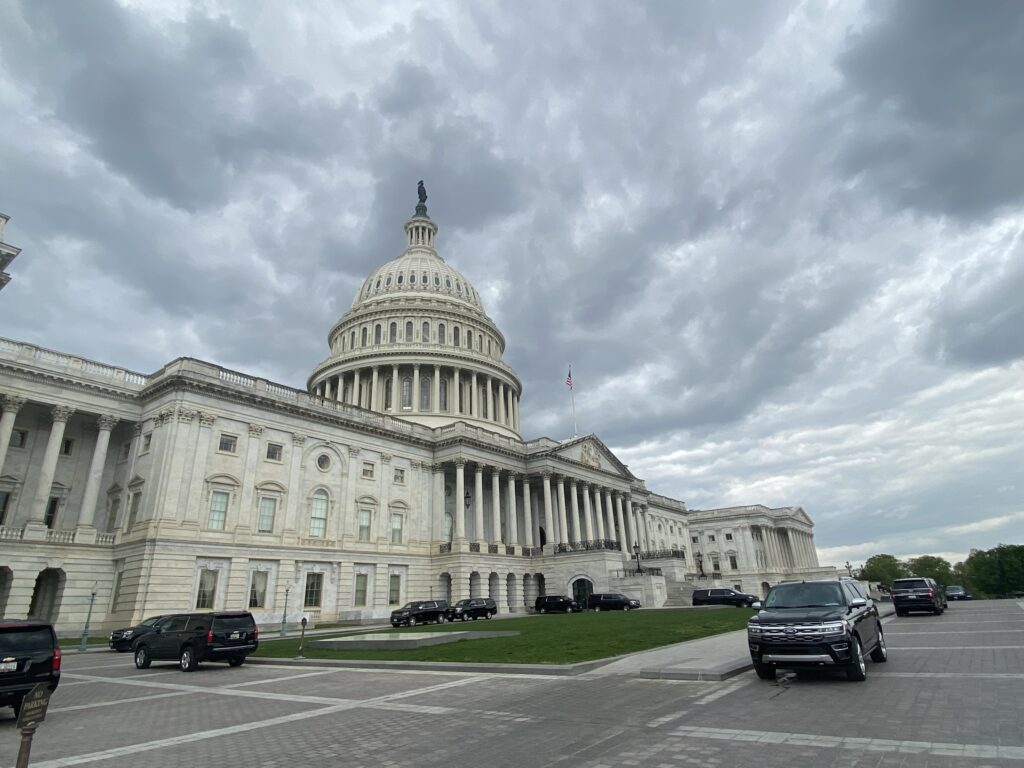
RALEIGH, NORTH CAROLINA — An unprecedented number of congressional representatives are stepping away from office, creating what political analysts describe as the largest turnover in decades across the U.S. House and Senate.
The wave of departures includes several North Carolina lawmakers who have announced they will not seek reelection in upcoming cycles. This mass exodus spans both parties and affects representatives from rural districts to urban centers across the Tar Heel State.
Retirement Announcements Mount
Political observers note the departure trend began accelerating after the 2024 election cycle. Veterans of Congress cite various reasons for leaving, including family considerations, frustration with partisan gridlock, and desire to pursue opportunities in the private sector.
“We’re seeing retirements at a pace that hasn’t been matched in recent memory,” said a political science professor at North Carolina State University. “This creates significant opportunities for new voices but also means losing institutional knowledge.”
Impact on North Carolina Delegation
The changes will reshape North Carolina’s congressional delegation significantly. Districts across the state face open seat races that could alter the political balance of power in Washington.
Campaign committees and political action groups have already begun mobilizing resources for competitive primary and general election battles. The open seats are expected to attract crowded fields of candidates from both major parties.
Local party officials report increased interest from potential candidates who previously considered congressional races out of reach. The departures eliminate incumbent advantages that typically make challenging sitting representatives difficult.
Electoral Implications
Political strategists anticipate the congressional turnover will influence legislative priorities and committee compositions. New members typically bring different perspectives and policy emphases compared to their predecessors.
The timing of announcements allows parties to recruit candidates and build fundraising operations before filing deadlines. Early retirement declarations give political organizations more time to identify and support preferred nominees in competitive districts.
Redistricting changes implemented after the 2020 census add another variable to upcoming congressional races. Some districts have new boundaries that alter their partisan composition and demographic makeup.
The combination of retirements and redistricting creates uncertainty about which party will control key swing districts. Political analysts expect increased spending on races that might have been considered safe seats under normal circumstances.
Voter registration drives and grassroots organizing efforts are intensifying as both parties prepare for what could be transformative election cycles. The congressional changes coincide with other statewide races that will shape North Carolina’s political future.