NC lawmakers demand audit before ferry toll increases move forward
Coastal legislators demand state audit of ferry finances before transportation officials implement first toll increases in nearly a decade.

RALEIGH, NORTH CAROLINA — A group of North Carolina legislators is advocating for a state audit of the ferry system before any toll increases take effect, as the state transportation department considers raising fees for the first time in years.
The lawmakers submitted a formal request to the State Auditor’s office this week, arguing that taxpayers deserve transparency about ferry operations and finances before being asked to pay higher tolls. This move comes as the North Carolina Department of Transportation explores options to address mounting operational costs across the state’s ferry network.
“North Carolinians who rely on our ferry system deserve to know exactly how their money is being spent before we ask them to pay more,” said Rep. Bobby Hanig, one of the legislators leading the audit request. “We need a full accounting of the ferry system’s finances and operations.”
Ferry System Faces Financial Pressures
The state’s ferry system has operated with minimal toll increases for nearly a decade, even as fuel costs, maintenance expenses, and personnel costs have risen significantly. NCDOT officials have indicated that current toll revenue covers only a fraction of operational expenses, with state funding making up the difference.
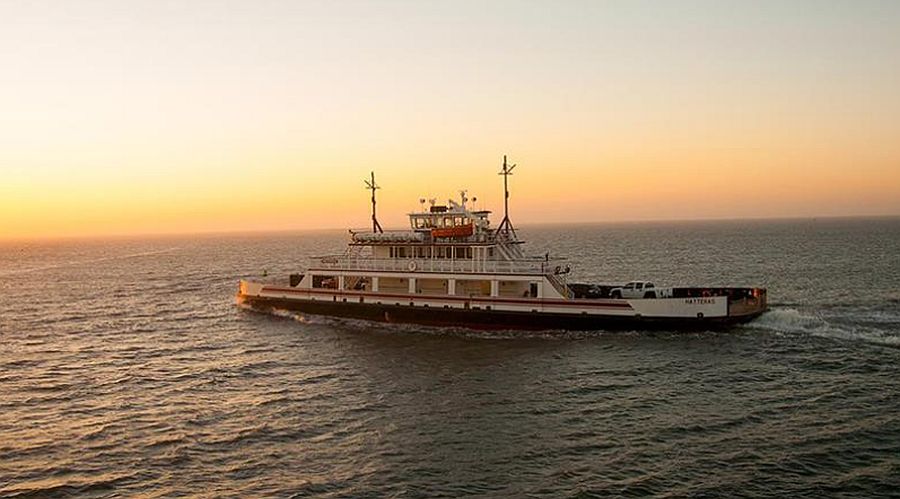
The ferry network serves important transportation links across coastal North Carolina, including routes to the Outer Banks and other barrier islands. Many of these routes provide the only vehicle access to island communities, making the ferries essential infrastructure rather than optional transportation.
According to transportation department data, the ferry system carried more than 2.8 million vehicles last year across its 21 routes. The system employs approximately 600 workers and maintains a fleet of vessels ranging from small passenger ferries to large vehicle carriers.
Audit Would Examine Operations and Spending
The requested audit would examine ferry system finances, operational efficiency, and spending patterns over the past five years. Lawmakers want auditors to review maintenance contracts, personnel costs, fuel purchasing, and capital improvement projects.
“We’re not opposed to reasonable toll adjustments if they’re justified, but we need independent verification of the numbers we’re being given,” said Sen. Norman Sanderson, another sponsor of the audit request. “Our coastal communities depend on these ferries, and any changes need to be based on solid financial analysis.”
The State Auditor’s office has not yet responded to the request or indicated when such an audit might begin. State audits typically take several months to complete, depending on the scope and complexity of the review.
Transportation Department Defends Fee Structure
NCDOT officials have defended their preliminary toll increase proposals, stating that current fees have remained artificially low compared to similar ferry systems in other states. The department has held public meetings in coastal communities to gather input on potential changes.
Transportation Secretary Joey Hopkins said earlier this month that any toll adjustments would be implemented gradually and would consider the economic impact on island communities. The department has not released specific proposed toll amounts or implementation timelines.
“We understand the ferry system is a lifeline for many communities, and we’re committed to keeping it affordable while ensuring it remains financially sustainable,” Hopkins said during a recent public meeting in Hatteras.
Current tolls range from free for some shorter routes to $15 for vehicles on longer passages. The last significant toll increase occurred in 2015, when fees were raised by an average of 15% across most routes.
The audit request has gained support from additional legislators representing coastal districts, who argue that any toll changes should be preceded by a thorough financial review. Tourism industry representatives have also expressed concern about higher ferry costs potentially impacting visitor numbers to island destinations.