Justice Department Sues Ohio, Other States Over Sensitive Voter Data Access
Federal lawsuits target Ohio and other states refusing to hand over comprehensive voter registration data, sparking unprecedented legal battles over election oversight.

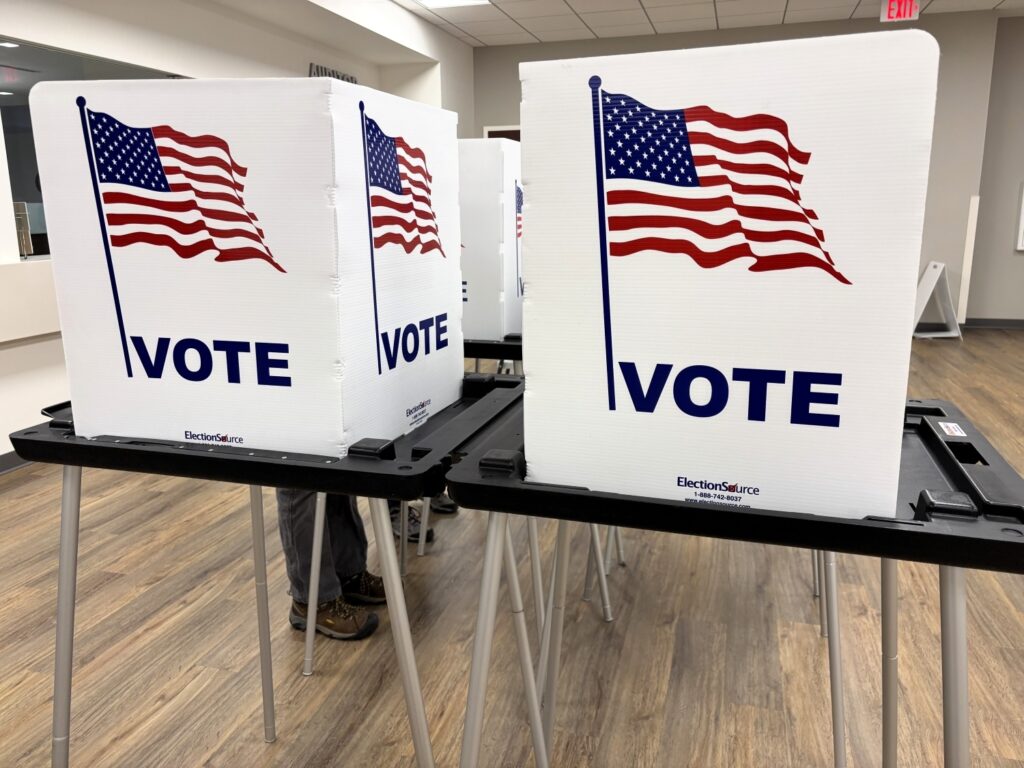
COLUMBUS, OHIO — The U.S. Department of Justice has filed lawsuits against Ohio and several other states demanding access to sensitive voter registration data, marking a federal effort to obtain detailed information about state election systems.
The legal action targets states that have refused to provide comprehensive voter data requested by federal authorities, according to election law experts. Ohio finds itself among the defendants in what legal scholars describe as an escalation in federal-state tensions over election administration.
Federal Demands for Comprehensive Data
The Justice Department is seeking access to voter registration databases, including information about voter eligibility verification processes and maintenance procedures. States have historically maintained control over their voter registration systems with limited federal oversight.
Election law scholars note this represents a departure from traditional federalism principles governing elections. The federal government typically defers to state and local authorities on voter registration matters, making these lawsuits particularly noteworthy.
State Resistance and Legal Arguments
Ohio and other targeted states have resisted turning over the requested data, citing privacy concerns and state sovereignty arguments. State officials argue that voter registration information contains sensitive personal data that requires protection under state privacy laws.
Legal experts explain that states maintain broad authority over election administration under the Constitution. The tension arises when federal enforcement priorities conflict with state practices and procedures.
The lawsuits could establish important precedents regarding federal access to state election data. Courts will need to balance federal enforcement needs against traditional state authority over elections.
Implications for Election Administration
The legal battles come as states continue implementing various election security measures and voter list maintenance programs. Federal intervention in these processes could reshape how states manage their voter registration systems.
Election administration officials across the country are watching these cases closely. The outcomes could influence future interactions between federal agencies and state election authorities.
Legal scholars emphasize that the cases raise fundamental questions about the balance of power in election oversight. The federal government’s traditional role has been more limited, focusing on enforcing specific voting rights protections rather than demanding comprehensive access to state systems.
The Justice Department’s approach represents a more aggressive stance on federal oversight of election processes. This shift could have lasting implications for how states conduct voter registration and list maintenance activities.
As these cases proceed through federal courts, they will likely generate significant attention from election law experts and voting rights advocates. The legal precedents established could influence election administration practices for years to come.