Iran-US Ceasefire Faces Early Test as Gulf Strikes Continue
Iran and US both claim victory after announcing two-week ceasefire, but continued Gulf strikes and Iranian control of oil passage raise questions about truce.

ATLANTA, GEORGIA — Skepticism surrounds the fragile Iran-United States ceasefire agreement as both nations claimed victory Wednesday while military strikes persisted across Gulf nations, casting doubt on the two-week conditional truce announced just one day earlier.
The temporary halt to hostilities, which took effect Tuesday, has already shown signs of strain with continued military activity reported throughout the Persian Gulf region. Iran’s indication that it will maintain control over the Strait of Hormuz has added to concerns about the ceasefire’s viability.
Strategic Waterway Remains Under Iranian Control
The Strait of Hormuz, a critical maritime passage through which one-fifth of the world’s oil passes, remains under Iranian influence despite the ceasefire agreement. This development has raised questions about the scope and effectiveness of the truce between the two nations.
Iranian officials have signaled their intention to continue exercising authority over the strategic waterway, which serves as a key chokepoint for global energy supplies. The stance suggests that territorial and strategic disputes remain unresolved even as both sides agreed to the temporary cessation of hostilities.
Both Nations Declare Success
Despite ongoing tensions, both Washington and Tehran have portrayed the ceasefire as a diplomatic victory for their respective governments. The conflicting narratives highlight the complex nature of the agreement and the different interpretations each side has placed on its terms.
The two-week timeframe established for the ceasefire provides a narrow window for potential diplomatic progress, though the continuation of military activities across the region has already tested the agreement’s limits.
Regional Impact and Concerns
The ongoing strikes across Gulf nations have demonstrated that the ceasefire may not extend to all regional conflicts involving the two powers. Military activities in various locations throughout the Gulf have continued despite the announced truce.
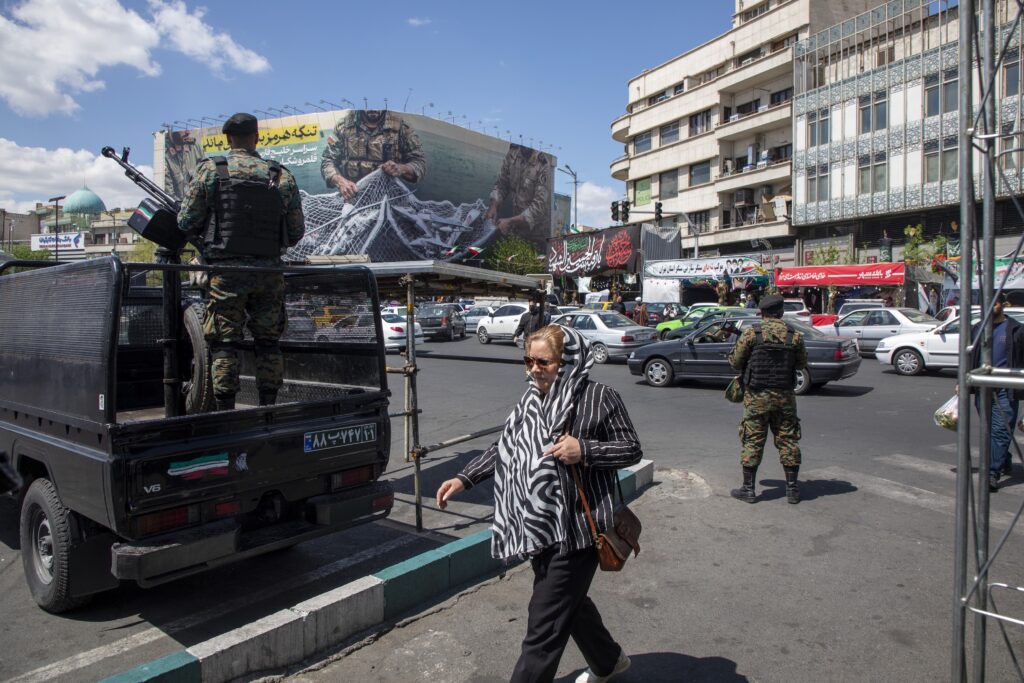
Armed police were observed patrolling as crowds gathered in Tehran’s Revolution Square following the ceasefire announcement, reflecting the high level of public attention and security concerns surrounding the agreement.
The conditional nature of the ceasefire means that its continuation depends on compliance from both parties, making the agreement vulnerable to any escalation or perceived violation. With less than two weeks remaining in the agreed timeframe, diplomatic pressure is mounting to address the underlying issues that led to the conflict.
The international community continues to monitor the situation closely as energy markets and regional stability hang in the balance of this temporary agreement.