GOP Candidates Escalate Anti-Islam Rhetoric Ahead of 2026 Midterms
Republican candidates are making anti-Islam rhetoric central to their 2026 midterm campaigns, claiming without evidence that Muslim practices threaten American values.

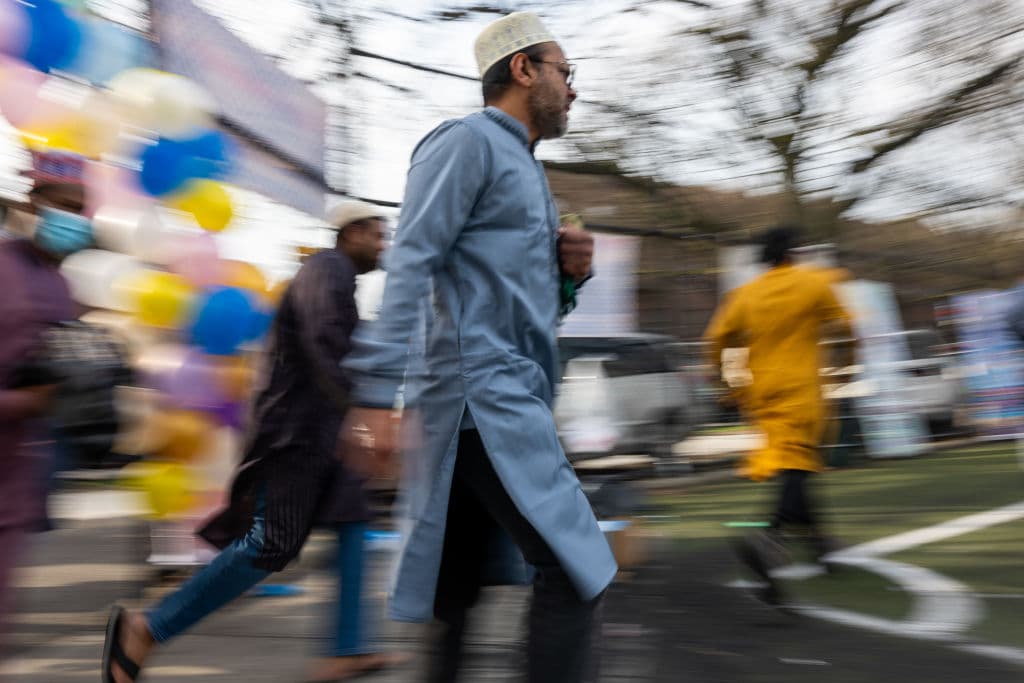
RALEIGH, NORTH CAROLINA — Republican lawmakers and candidates nationwide have intensified their anti-Islam rhetoric in recent months as a campaign strategy to energize voters by claiming without evidence that Muslim culture and religious practices threaten American political values.
Political observers say Republicans are capitalizing on anti-Islamic sentiment to generate enthusiasm among their voter base heading into the 2026 midterm elections. The strategy has proven successful in previous campaign cycles.
Shift in Republican Campaign Focus
Aggressive enforcement tactics have soured many Americans on hard-line immigration policies, once a winning issue for conservatives. GOP victories on abortion and transgender rights have also diminished the electoral power of those issues.
Instead, GOP candidates in some of the highest-profile political races across the country are now placing Islam and what they describe as the threat of Shariah at the center of their campaigns.
Understanding Shariah
Shariah is a religious code derived from the Quran and the teachings of Prophet Muhammad that addresses moral, spiritual and daily life for Muslims. However, the term has become shorthand in some conservative circles for anything related to Islam or Islamic extremism.
Critics argue that conservative politicians have transformed Muslims into a political bogeyman in their fight to maintain power. Muslim communities say the rhetoric misrepresents their values and puts their families at risk.
Impact on Muslim Communities
Muslim leaders and advocacy groups have expressed concern that the escalating rhetoric contributes to a culture of rising prejudice against their communities. They describe the characterizations as misrepresentations of their community’s values designed to distract from real issues.
The strategy comes as Republicans seek to maintain their political advantage in what is expected to be a competitive midterm election cycle. Political analysts note that targeting religious and cultural minorities has historically been used to mobilize conservative voters during election seasons.
The anti-Islam messaging represents a return to tactics that were prominent in previous election cycles, when Republican candidates frequently raised concerns about Islamic law influencing American governance despite constitutional protections preventing such scenarios.