Georgia Faces Election Upheaval as Federal Changes Threaten November Midterms
Federal legislation and executive orders are creating confusion for Georgia voters and officials just months before the November midterm elections.

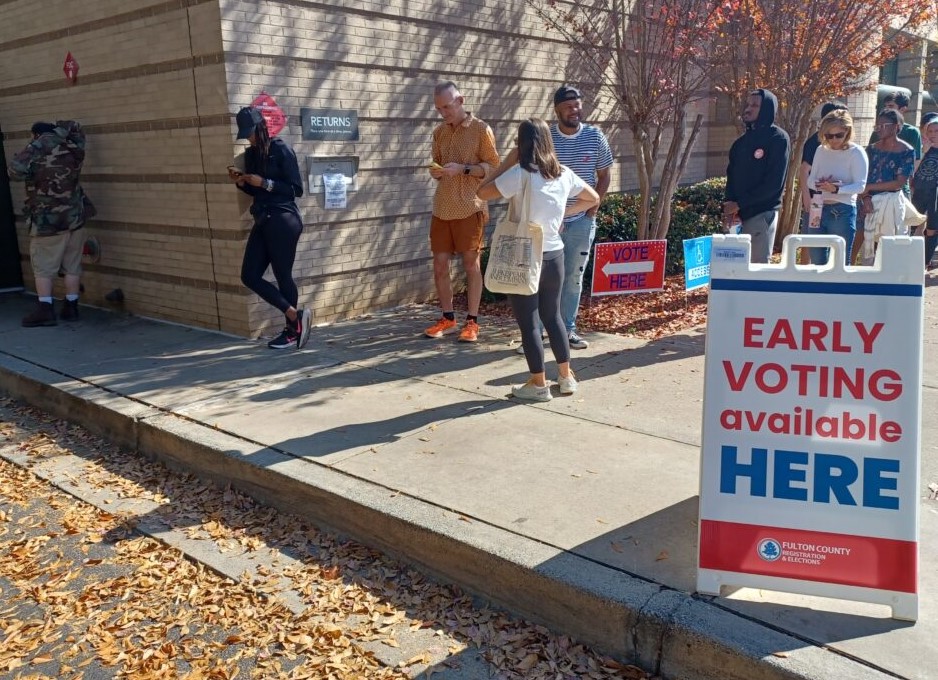
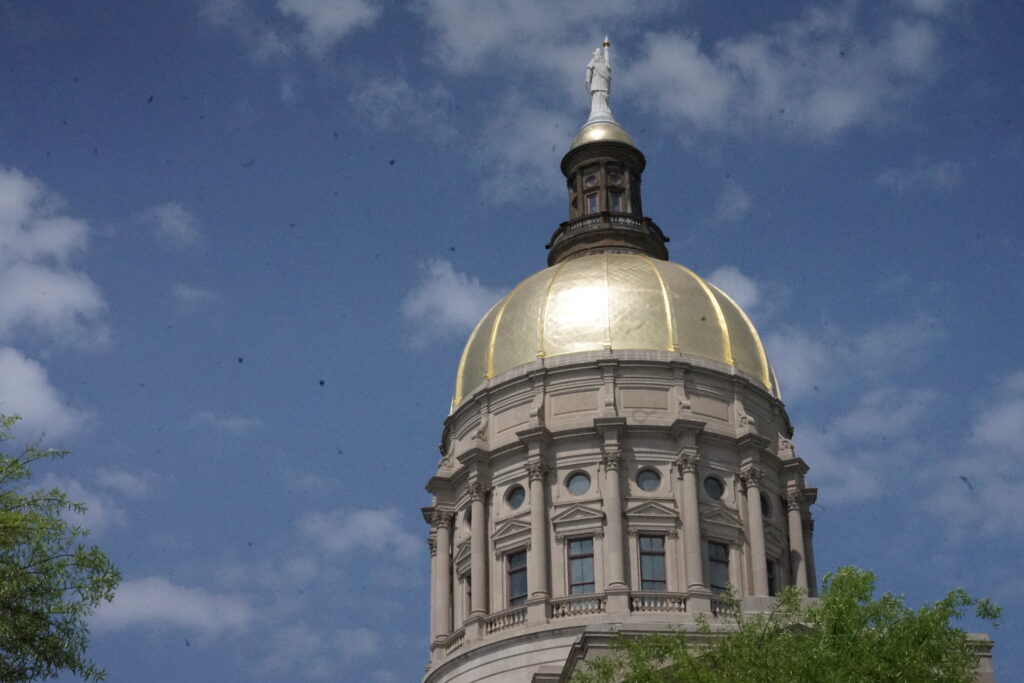
ATLANTA, GEORGIA — Georgia election officials are facing uncertainty ahead of the November 2026 midterm elections as federal legislation and executive orders threaten to disrupt established voting procedures just months before voters head to the polls.
The confusion stems from ongoing congressional attempts to pass the Safeguard American Voter Eligibility Act, known as the SAVE Act, which would impose new barriers on voter registration across the country. The proposed legislation would eliminate Americans’ ability to register to vote for free by requiring costly documentation, creating obstacles for new registrants, married women who change their names, and residents who move after initially registering.
Presidential Order Adds to Uncertainty
President Trump’s executive order issued in March seeking to limit mail-in voting has further complicated the electoral process. While legal experts anticipate courts will overturn the order, it has already created confusion among voters and state officials nationwide.
The timing is concerning given that nearly one in three Americans voted by mail during the 2024 general election. Election observers worry the uncertainty could discourage voter participation, while state officials may implement compliance measures that prove difficult to reverse before November’s elections.
State Legislature Fails to Address Critical Deadline
Adding to Georgia’s electoral challenges, state lawmakers concluded their legislative session earlier this month without addressing a requirement mandated by Senate Bill 189, which the legislature passed in 2024. The law requires removal of QR codes from Georgia ballots by July 1, 2026, but legislators failed to provide the necessary guidance for implementation.
The QR code removal represents a significant logistical undertaking for Georgia’s election system. Without legislative action, election officials face the prospect of implementing major procedural changes with limited time and unclear direction from state government.
Democracy Advocates Sound Alarm
Election integrity advocates argue that Georgia faces potential logistical upheaval that could impede some residents’ voting rights. The combination of federal uncertainty and unresolved state requirements creates what critics describe as a perfect storm of electoral confusion.
The current situation places Georgia election officials in a difficult position as they attempt to prepare for the midterm elections while navigating conflicting federal directives and incomplete state guidance. With less than seven months until Election Day, the window for resolving these issues continues to narrow.
Georgia’s electoral challenges reflect broader national tensions over voting procedures and access. As federal courts likely will review Trump’s executive order on mail-in voting, state officials must balance compliance efforts with practical election administration needs.
The confluence of these factors raises concerns about voter confidence and participation in Georgia’s 2026 midterm elections, potentially affecting turnout in a state that has become increasingly influential in national politics.