Georgia bill targeting protests near religious services raises free speech concerns
Civil liberties groups are sounding the alarm over Georgia’s proposed 150-foot protest buffer zone around religious services, warning it could trample First …

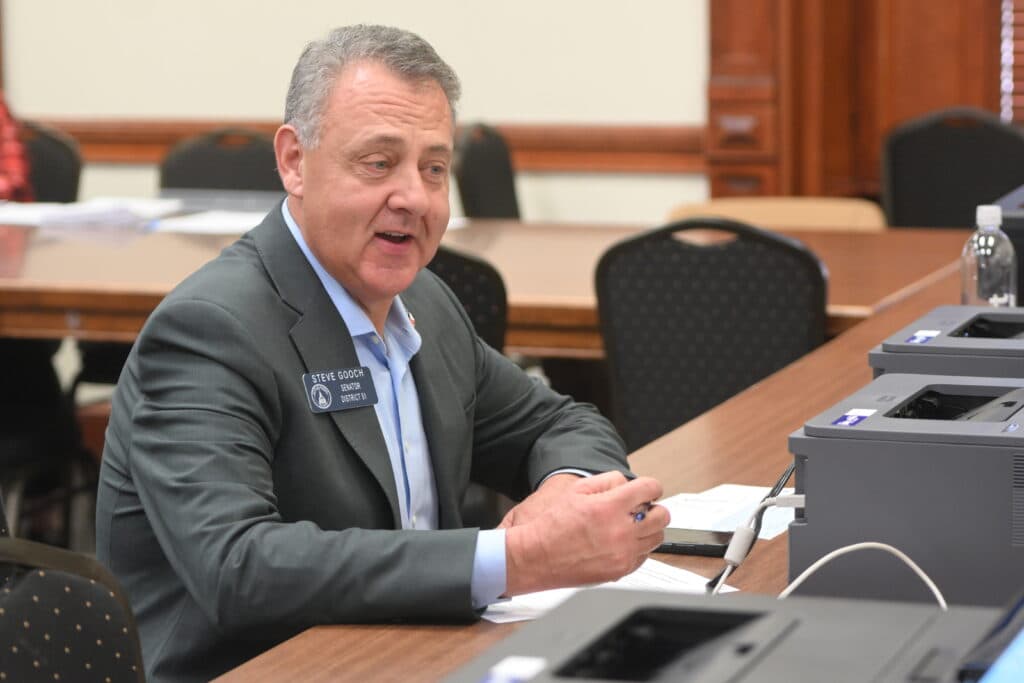
ATLANTA — A proposed Georgia bill that would ban protests within 150 feet of religious services has drawn criticism from civil liberties advocates who say it could violate First Amendment protections.
The legislation, introduced in the Georgia General Assembly, aims to create buffer zones around places of worship during religious ceremonies and services. Violators could face misdemeanor charges under the proposed measure.
Supporters argue the bill would protect worshippers from disruptions and ensure people can practice their faith without interference. They point to incidents where protests have interrupted religious gatherings as justification for the restrictions.
Constitutional Questions Raised
First Amendment lawyers have expressed concerns about the bill’s potential impact on free speech rights. They argue that public sidewalks and areas near religious buildings are traditional public forums where constitutional protections for speech are strongest.
“Any content-based restriction on speech in a public forum must meet strict constitutional scrutiny,” said legal experts reviewing the proposal. The bill could face court challenges if enacted, according to constitutional law specialists.
Similar laws in other states have faced legal battles, with courts sometimes striking down overly broad restrictions on protest activities near religious sites.
Balancing Religious Freedom and Speech Rights
The proposed legislation comes amid ongoing debates about balancing religious freedom with free speech protections. Proponents say the measure would ensure equal protection for all faiths and denominations across Georgia.
Religious leaders have offered mixed reactions to the proposal. Some welcome the potential protections, while others worry about limiting legitimate forms of peaceful expression and demonstration.
Civil rights organizations plan to monitor the bill’s progress through the legislative process. They have indicated they may challenge the measure in court if it passes and is signed into law.
Legislative Process Continues
The bill remains in committee as lawmakers continue to review its provisions and potential amendments. Legislative leaders have not announced a timeline for when the measure might receive a full vote.
The Georgia Attorney General’s office has not yet issued a formal opinion on the constitutional questions surrounding the proposed legislation. Legal challenges would likely focus on whether the restrictions are narrowly tailored and serve compelling government interests.
The debate reflects broader national discussions about the boundaries between protecting religious exercise and preserving fundamental speech rights in public spaces.