Gas Prices Jump 21% in March as Iran Conflict Disrupts Global Oil Supply
Gasoline prices jumped over 21% in March as the Iran conflict closed a key oil shipping route, pushing inflation to nearly two-year highs.

ATLANTA, GEORGIA — Gasoline prices surged 21.2% in March as the ongoing U.S.-Israeli military conflict in Iran disrupted global oil supplies, driving inflation to its highest level in nearly two years, according to federal data released Friday.
The Consumer Price Index jumped 0.9% in March compared to the previous month, a sharp increase from the 0.3% rise recorded in February, the Bureau of Labor Statistics reported. Overall prices climbed 3.3% from a year ago, marking the steepest annual increase since May 2024.
Energy Costs Drive Inflation Surge
Fuel costs dominated the March price increases, with gasoline and fuel oil together rising 10.9% during the month. The dramatic spike followed Iran’s effective closure of the Strait of Hormuz, a key shipping passage that handles one-fifth of the world’s petroleum transport.
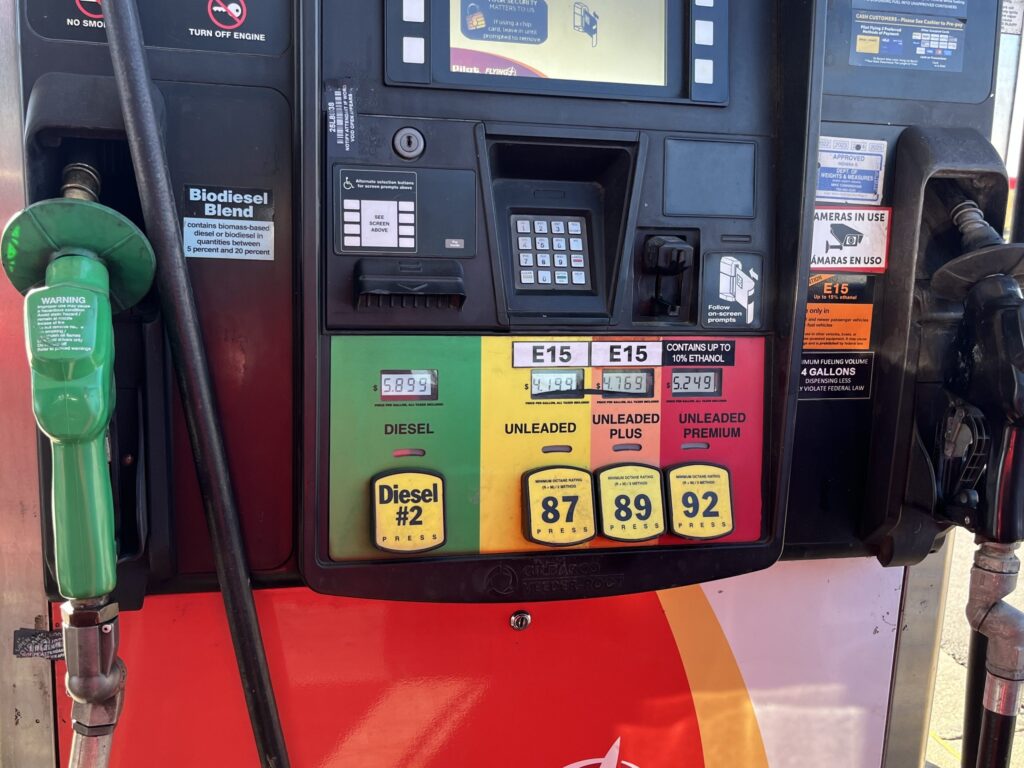
Americans now pay an average of $4.15 per gallon for regular gasoline nationwide, according to AAA data as of Friday. Diesel prices average $5.68 per gallon across the United States. Prior to the conflict, regular gasoline prices had not exceeded $3 per gallon at any point this year.
Airfare costs also climbed 2.7% in March, up from a 1.4% increase in February, as jet fuel prices rose alongside other petroleum products.
Iran Conflict Disrupts Global Oil Markets
President Donald Trump launched the joint military operation with Israel on February 28. The intensive bombing campaign killed Iran’s supreme leader and multiple senior officials, prompting the Iranian regime to threaten oil tankers attempting to navigate the Strait of Hormuz.
Iran’s control of the strategic waterway has created what the International Energy Agency called the largest supply disruption in global oil market history. The country now allows only vessels from a handful of friendly nations to pass through the narrow Persian Gulf passage.
A tenuous ceasefire agreement reached Tuesday evening Eastern time has not restored normal shipping operations, with Iran maintaining control over the strait. Only ten oil tankers have successfully transited the waterway since the conflict began.
Economic Impact Across Sectors
The energy price shock affected transportation costs throughout the economy. Beyond gasoline and diesel, the increases impacted heating oil and other petroleum-based products essential to manufacturing and logistics operations.
The March inflation figures represent a significant reversal from earlier in 2026, when energy costs had remained relatively stable. The sharp monthly increase signals potential challenges for consumers and businesses as higher fuel costs ripple through the broader economy.
Federal economists continue monitoring the situation as global oil markets adjust to the ongoing supply constraints from the Middle East conflict.